
If We Love Our Pets, Why Not Their Wild Cousins?
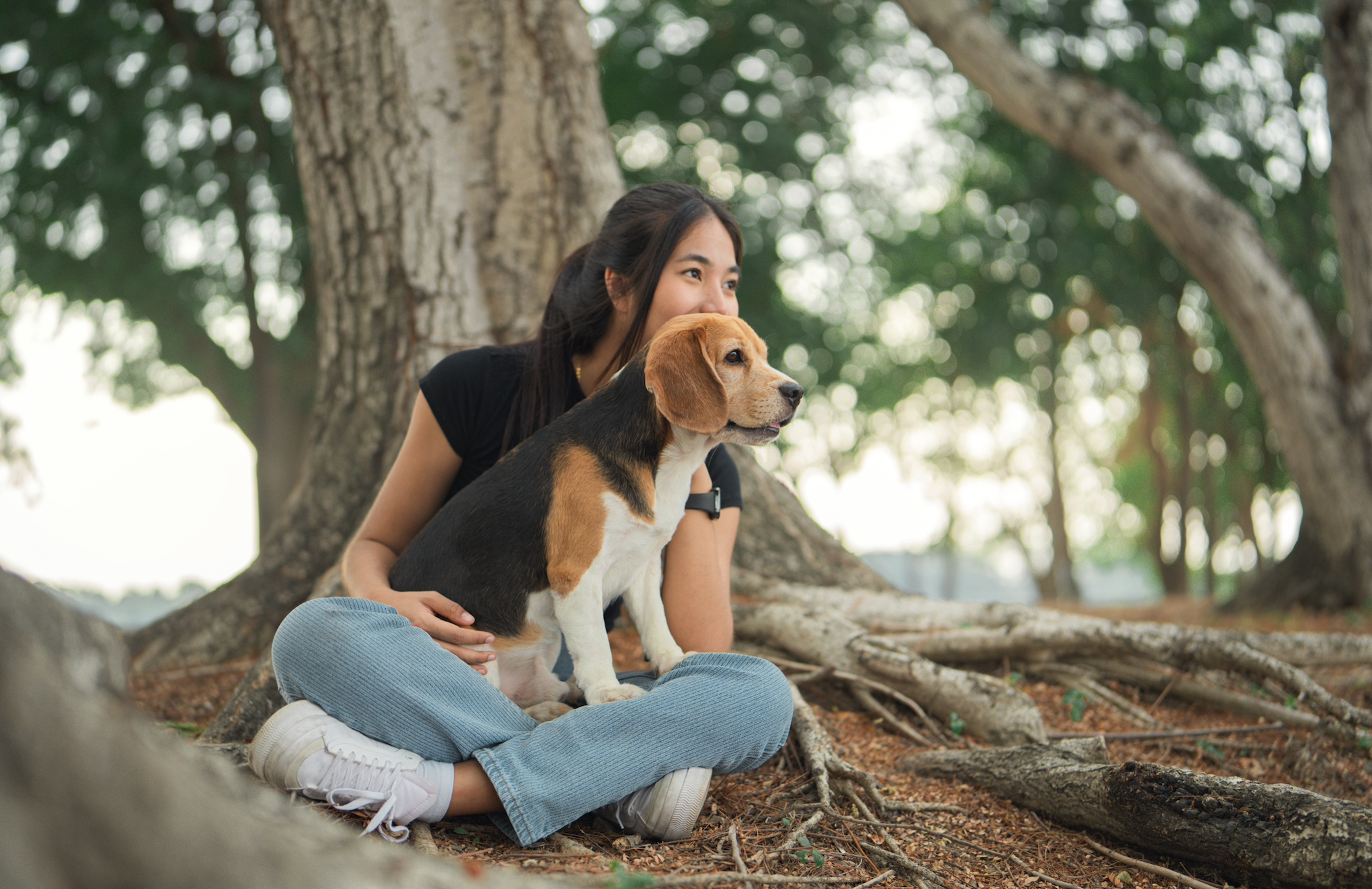
There is a quiet familiarity in the way people relate to their pets. Everyday moments like a dog waiting by the door or a cat curled in a sunlit corner reflect a bond built on care, routine and companionship.
Observed each year on 11 April, National Pet Day is a moment to recognise that connection. Photos are shared, treats are given, and the animals that shape daily life are celebrated as more than just pets, but as part of the family.
Yet beyond the home, a different set of animals exists that are less familiar, often unseen, but not entirely separate. Many of them are, in essence, distant cousins of the pets people care for so instinctively. A house cat reflects the instincts of wild felines; a dog carries traces of its ancestral wolf lineage.
Seen this way, the divide between domestic and wild begins to narrow. If care and protection come naturally for animals within the home, the same instinct holds relevance beyond it. The environments that sustain wildlife may be distant, but their importance is no less immediate.
Familiar Bonds, Distant Lives
The relationship people have with pets is rooted in proximity. Animals become part of daily routines being fed, protected and understood over time. Their needs are visible, their behaviours familiar.
Wildlife, by contrast, exists at a distance. The animals featured in documentaries or conservation stories are rarely encountered in everyday life. Their challenges like habitat loss, climate pressure, or human encroachment can feel abstract.
Yet the emotional connection people feel towards pets does not exist in isolation. It reflects a broader human instinct to care for other living beings, one that can extend with intention beyond the domestic.
Seeing the Wild More Clearly
Part of the disconnect lies in visibility. Pets are present; wildlife is often mediated through screens, articles or fleeting encounters.
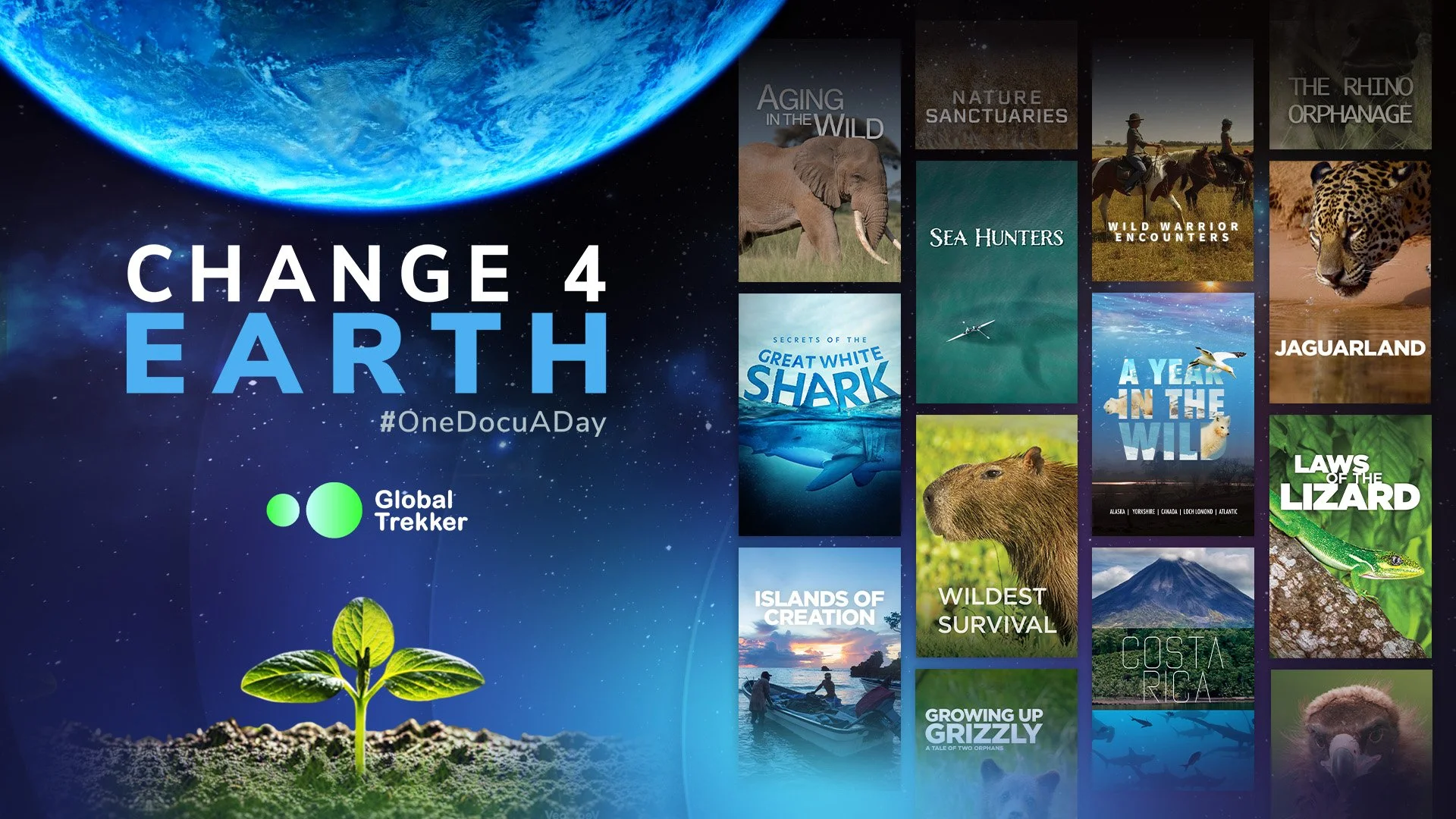
Throughout April, Global Trekker’s Change4Earth campaign highlights environmental documentaries that go beyond headlines, offering deeper insight into climate, conservation and the choices shaping our planet. Documentaries such as Jaguarland offer a closer look at species that might otherwise remain distant. Following the lives of jaguars in their natural habitats, these stories reveal animals that are not so different from the ones people care for at home.
At the same time, they highlight the challenges these animals face. Habitat loss, human encroachment and environmental change continue to threaten their survival, often in ways that are not immediately visible from afar.
Understanding wildlife in this way shifts perception. Animals are no longer abstract ideas, but living beings navigating fragile ecosystems, thus making the connection between care and responsibility harder to ignore.
From Affection to Awareness
The care people show towards pets is immediate and instinctive. It involves responsibilities like feeding, protecting, nurturing.
Extending that care to wildlife requires a different approach. It is less direct, but no less important.
Awareness becomes the starting point. Understanding how ecosystems function, recognising the pressures wildlife faces and acknowledging the impact of human activity all contribute to a broader sense of responsibility.
In this context, affection evolves into awareness and eventually into intention.
Small Connections, Wider Impact
Protecting wildlife does not require the same kind of daily interaction as caring for a pet. Instead, it often takes the form of choices that feel small on their own: supporting conservation efforts, being mindful of consumption, or engaging with stories that highlight environmental realities.
These actions may not feel as immediate as feeding a pet or taking it for a walk. Yet collectively, they shape the conditions in which wildlife exists.
The connection may be less visible, but it is no less real.
Rethinking What Care Means
National Pet Day celebrates the animals that share human spaces. It highlights companionship, loyalty and the quiet routines that define everyday life.
But it can also serve as a reminder of a broader relationship. One that extends beyond homes and into the natural world.
Caring for animals is not limited to those within reach. It includes recognising the value of species that may never be encountered directly, yet remain essential to the balance of the environments they inhabit.
A Wider Circle of Care
The bond between people and their pets is often described as unconditional. It is built on familiarity, trust and presence.
Extending that mindset to wildlife does not require the same proximity. Many of these animals remain distant, living in landscapes far removed from everyday life, yet they are not entirely separate. They are, in many ways, the wild counterparts of the animals people already care for.
Recognising this connection reframes what care can mean. It moves beyond the home, widening to include ecosystems, habitats and species that may never be seen up close.
If the animals we live with are considered family, then the ones beyond them, their distant cousins, are part of a wider circle worth protecting.
Caring for animals begins with understanding the world they live in. Discover more stories on nature, wildlife and conservation, #OneDocuADay, on Global Trekker.
Discover weekly features across Personality & Art, Science & Technology, Business, Destination & Food, or Nature & Environment.
Broaden your mind, open your heart, and inspire your soul with Global Trekker.Follow us: