Coachella 2026: How a Music Festival Became a Global Lifestyle Phenomenon
What began in 1999 as a relatively modest music festival in the California desert has grown into something far more expansive. Coachella Valley Music and Arts Festival evolved by bringing together not just major musical acts, but art, fashion and a distinct sense of place.
Over time, its influence extended beyond the stage. Social media amplified its reach, turning festival moments into global trends. What once drew music fans now attracts a broader audience of travellers, creatives and cultural observers, all drawn to the experience as much as the performances.
Coachella is no longer defined solely by its lineup. It has become a reflection of contemporary lifestyle where music, identity, and visual culture intersect.
The Desert as Destination
Set in Indio, Coachella’s location has become central to its identity. The vast desert landscape offers a setting that feels both removed and immersive, much like a temporary escape shaped by music and atmosphere.
For many, attending the festival is as much about the journey as the event itself. Travel plans, accommodation and curated itineraries have become part of the Coachella experience, positioning it as a seasonal destination rather than a single event.
Beyond the Music
While headline acts remain a major draw, Coachella’s appeal extends into multiple cultural spaces.
Fashion plays a visible role, with festival style influencing seasonal trends and shaping how audiences present themselves both on-site and online.
Art installations transform the grounds into an open-air gallery, offering large-scale visual experiences that complement the performances.
Food and beverage offerings have also evolved, featuring curated selections that reflect broader lifestyle trends from gourmet pop-ups to globally inspired menus.
Camp culture beyond the main grounds has become an experience in itself. Attendees personalise their spaces, designing tents, camper vans and even cars with carefully curated aesthetics. What begins as accommodation often turns into a form of self-expression, where creativity extends beyond the festival stage and into everyday surroundings.
Together, these elements create an environment where music is just one part of a larger cultural expression.
Coachella 2026: The Experience Continues
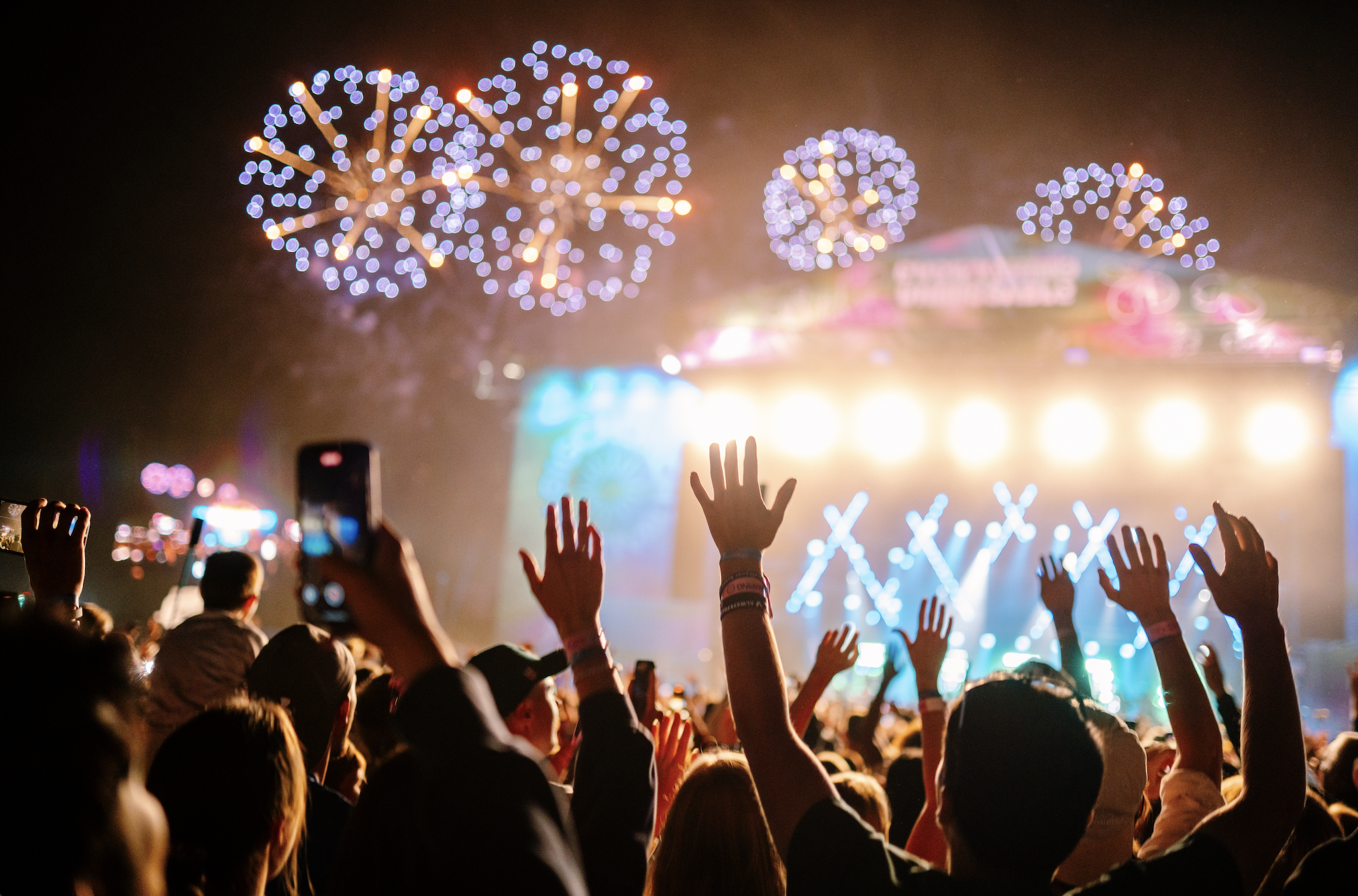
From April 10–12 and 17–19, Coachella 2026 returns with its signature multi-weekend format, once again drawing global audiences to the desert.
This year’s lineup reflects the festival’s cross-genre identity. Headlining acts include Sabrina Carpenter, Justin Bieber and Karol G, alongside a diverse mix of artists spanning pop, hip-hop, electronic and alternative music.
Beyond the headliners, the lineup highlights Coachella’s increasingly global reach. Performances from BIGBANG and Taemin reflect the continued influence of K-pop on the global stage. They are joined by standout appearances from BINI, marking a significant moment for P-pop, and global group KATSEYE.
Other notable performers, including Fujii Kaze, further underscore the festival’s expanding international presence. Established and emerging artists such as The Strokes, FKA twigs, Central Cee and PinkPantheress reinforce the breadth of the lineup.
Together, the mix of artists highlights how Coachella continues to balance mainstream appeal with cultural diversity by offering audiences not just performances, but discovery.
A Reflection of Modern Culture
Coachella’s evolution mirrors broader shifts in how events are experienced today. Music festivals are no longer just about listening; they are about participation, identity and shared moments.
The festival’s visibility, amplified through digital platforms, has also shaped its role in global culture. What happens in the desert is quickly translated into images, trends and conversations that reach far beyond its physical location.
In this way, Coachella functions as both event and symbol, capturing how people engage with music, travel and lifestyle in a connected world.
More Than a Festival
Coachella’s staying power lies in its ability to adapt. It continues to evolve alongside the audiences it attracts, expanding beyond its original purpose without losing its core identity.
What began as a music gathering has become something more layered and into a space where culture is not only consumed, but created.
In 2026, Coachella is no longer just a festival in the desert; it is a global stage where culture, identity, and experience are performed as much as they are lived.
Beyond the stage, festivals like Coachella shape how we experience music, travel and culture. Explore more stories on global lifestyle and events on Global Trekker.
Discover weekly features across Personality & Art, Science & Technology, Business, Destination & Food, or Nature & Environment.
Broaden your mind, open your heart, and inspire your soul with Global Trekker.Follow us: