Change for Earth, One Documentary A Day
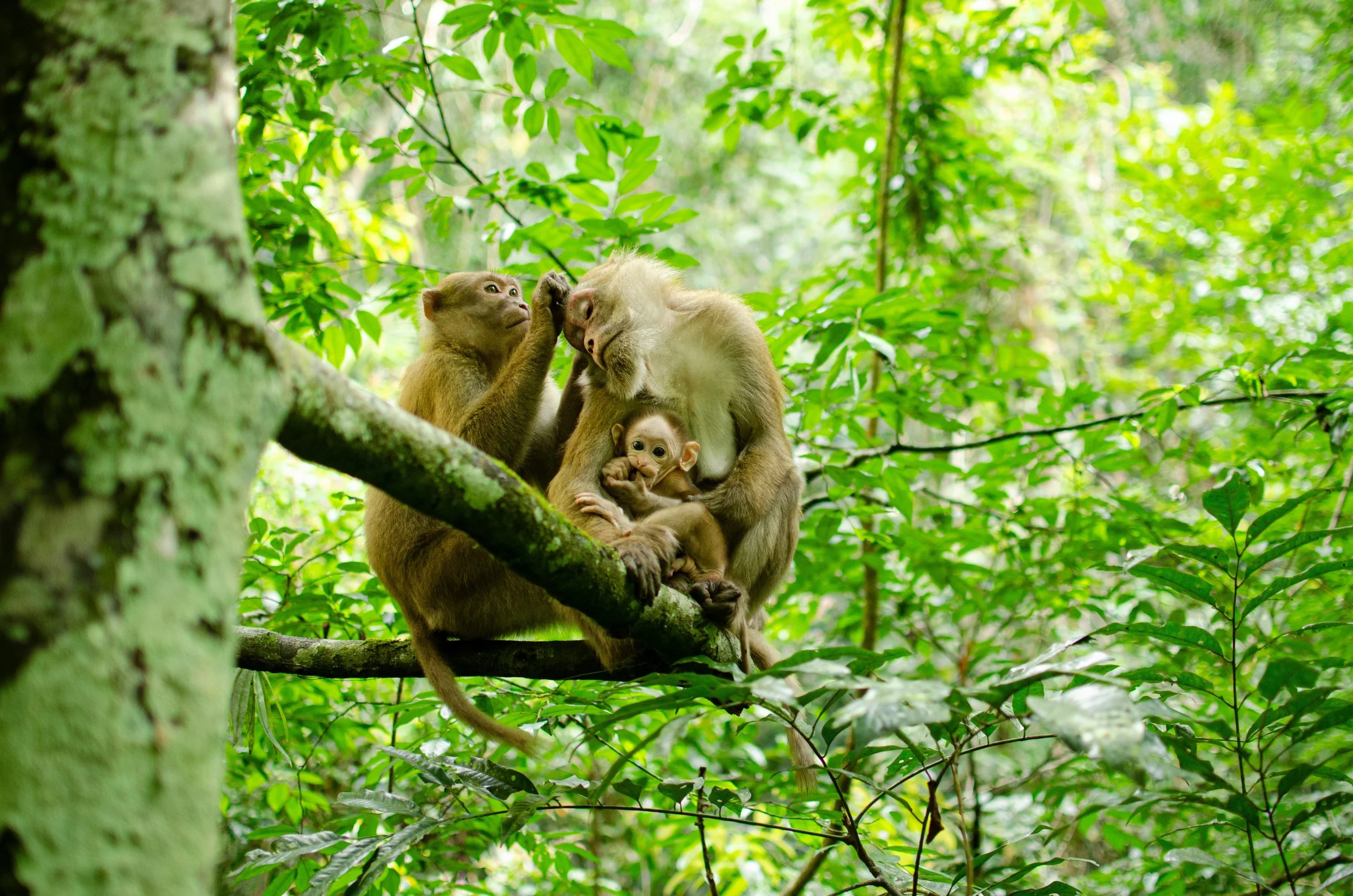
Remember the baby monkey Punch who went viral in February 2026? Clutching his plush toy after being abandoned, he captured hearts worldwide and reminds us that empathy often sparks concern for nature. Stories like Punch’s help us notice wildlife, forests, rivers, oceans, and ecosystems, making him the perfect inspiration for “Change for Earth Starts with You … Habits for Habitats.” Pairing empathy with daily habitat-friendly habits can turn small actions into a real conservation impact.

Who Is Punch and What Happened?
Punch is a baby Japanese macaque at Ichikawa City Zoo in Japan. After being abandoned by his mother, he survived by holding a plush orangutan toy for comfort. Videos of him went viral under #HangInTherePunch, inspiring millions of viewers around the world.
Punch’s story isn’t just a cute viral moment — it’s a lesson in empathy and resilience. Caring for one vulnerable animal can awaken awareness of broader environmental issues, from habitat destruction to endangered wildlife.
Why Protecting Habitats Matters
Punch’s story reflects real global challenges. According to the WWF Living Planet Report 2024, wildlife populations have dropped 73% since 1970, primarily due to habitat loss and human activity.
Plastic pollution is another urgent threat. Studies show that up to 90% of seabirds and 52% of sea turtles have ingested plastic debris, which comes from our daily habits. These statistics show that individual and collective habits — like using disposable plastics or over-consuming resources — directly affect habitats and the animals that rely on them.
How Our Daily Habits Affect Habitats
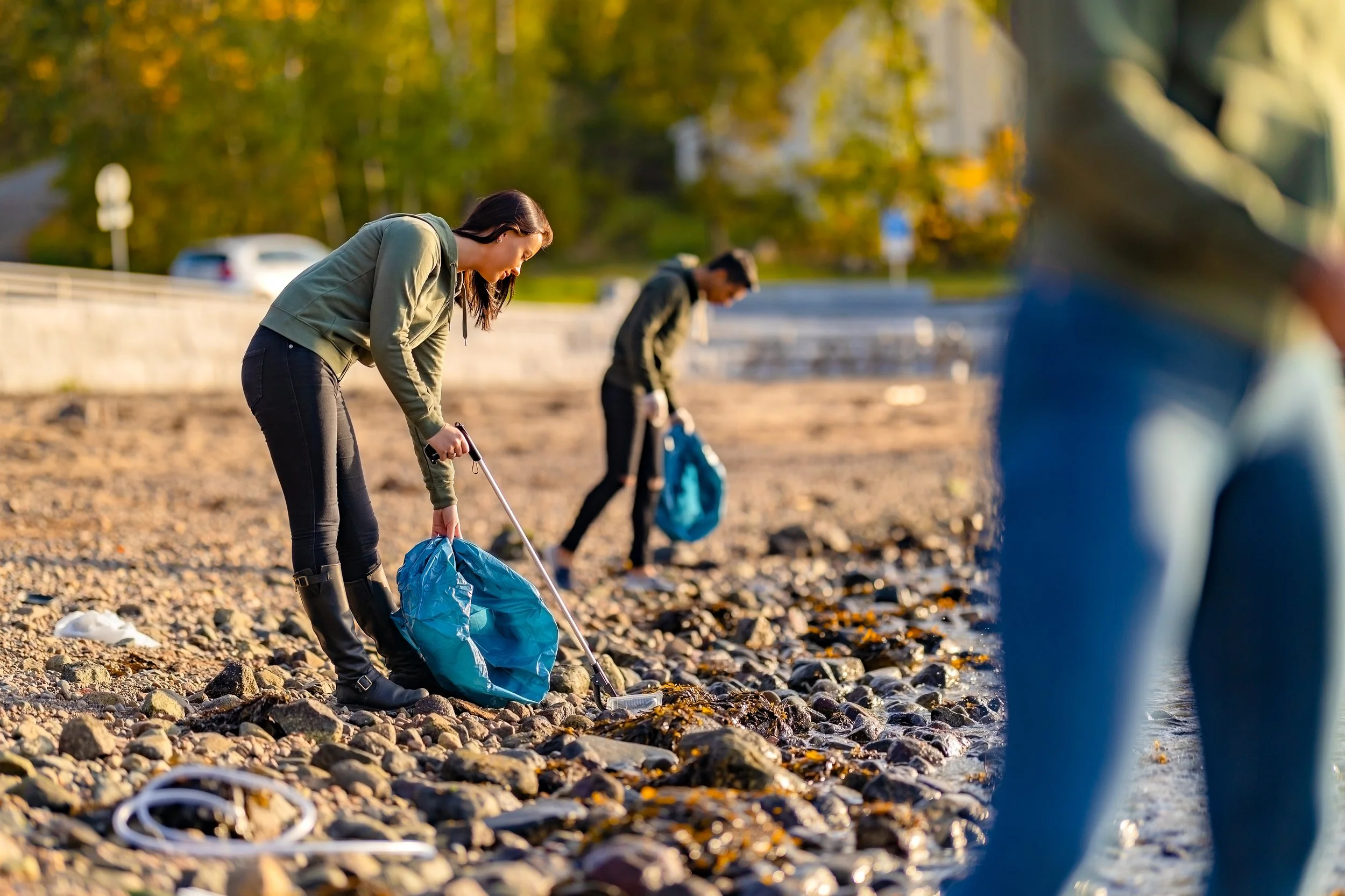
Empathy for Punch is just the start. To truly protect habitats, we need actionable habits. Small changes like using reusable bottles, planting native flowers, conserving energy, or supporting sustainable brands have a measurable impact. For example, the Plastic Pollution Coalition notes that switching from single-use bottles to reusable bottles can prevent up to 365 plastic bottles from entering oceans each year.
Daily choices create ripples across ecosystems. When empathy meets habit, it becomes a force for real conservation — protecting forests, oceans, rivers, and wildlife habitats. Each habit, no matter how small, contributes to healthier ecosystems and a more sustainable future.
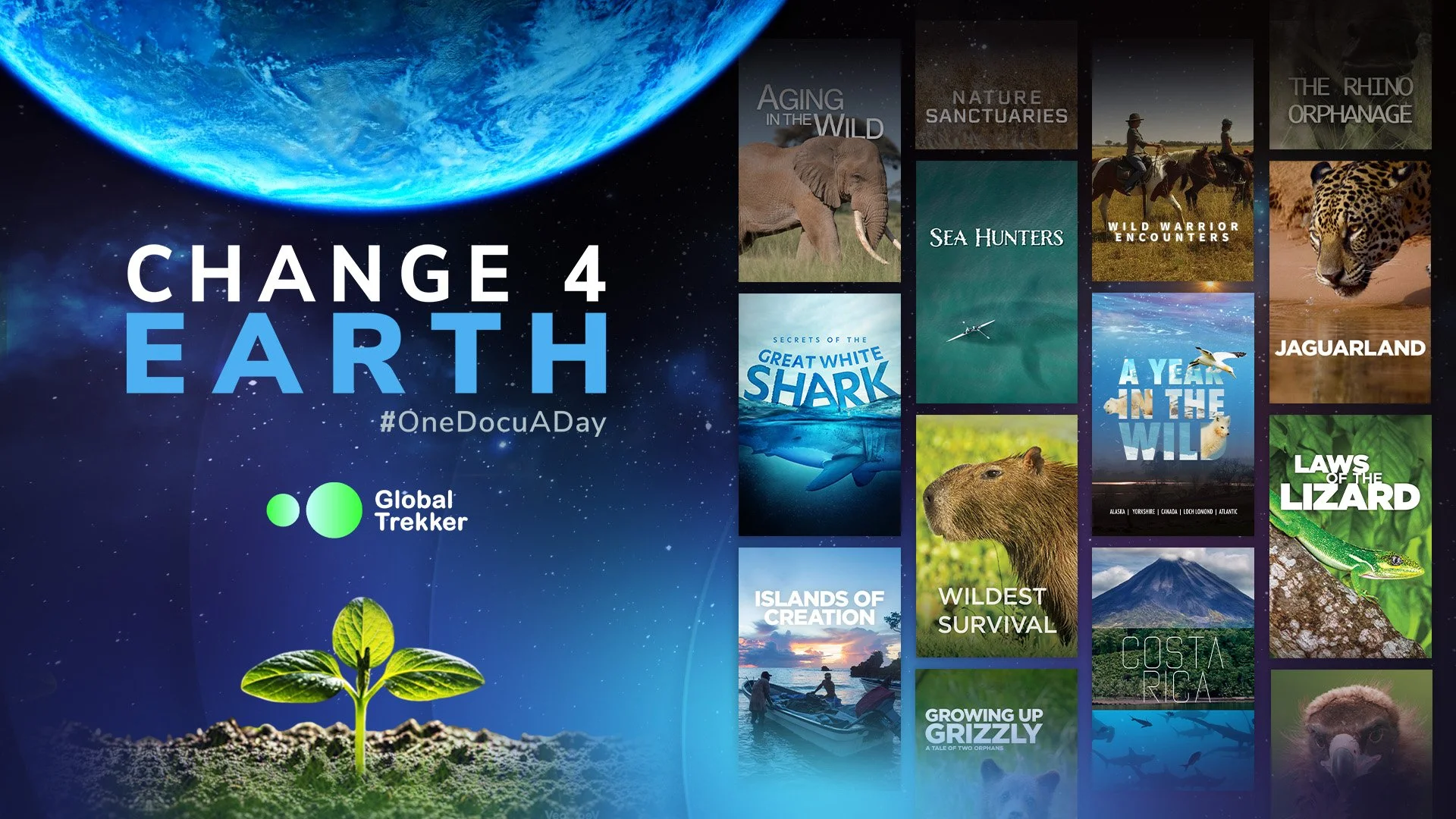
Change for Earth, One Documentary a Day
Sometimes the first step toward protecting nature is simply taking the time to see it.
In a world filled with endless scrolling and constant notifications, it can be easy to forget how extraordinary the natural world truly is. Nature documentaries offer a powerful way to reconnect with the planet’s landscapes, ecosystems, and wildlife. Through storytelling and stunning imagery, they reveal the fragile beauty of habitats across the globe.
A simple habit can make a difference. Simply dedicate time to watching stories about the natural world and immersing yourself in vital stories that highlight the complexity and wonder of Earth’s biodiversity.
Here are a few nature documentaries and wildlife series that showcase remarkable ecosystems and species:
Each story reveals a different corner of the planet and the delicate balance that sustains it.

Change Starts With What We See
Punch’s story reminds us that empathy is powerful. Caring for one vulnerable animal can open the door to a deeper awareness of wildlife and the fragile habitats that sustain them.
Stories have a unique way of shaping how we understand the world. Through powerful storytelling, films and documentaries often lower our mental barriers and invite us to see nature differently. Instead of statistics or headlines, they show us relationships — between animals and their ecosystems, between human communities and natural resources, and between our daily habits and the health of the planet.
Nature documentaries, in particular, reveal how closely our lives are tied to the natural world. Forests regulate the air we breathe, oceans stabilize our climate, and countless species contribute to ecosystems that sustain life on Earth. When we see these connections on screen, protecting them begins to feel personal.
That is the idea behind Change4Earth: It Starts With You. #OneDocuADay.
In a world filled with constant scrolling and digital noise, dedicating time to watch stories about nature can become a quiet but meaningful habit. Turning “screen time” into “knowledge time” allows us to witness the complexity and beauty of Earth’s biodiversity — and reminds us why protecting it matters.
Because sometimes, the first step toward change is simply learning to see the world more clearly.
Stay tuned for more stories from Global Trekker’s Nature & Environment topic, where we continue to explore nature and wildlife and the importance of conservation around the globe.
Discover weekly features across Personality & Art, Science & Technology, Business, or Destination & Food.
Broaden your mind, open your heart, and inspire your soul with Global Trekker.Follow us: