The Business of Fear: How Halloween Became a Global Industry
Every October, ghosts, ghouls and goblins appear on shop shelves, across screens and throughout city streets, proving that behind the masks lies one of the most profitable holidays of the year. Halloween has evolved far beyond its ancient Celtic roots, transforming into a global commercial phenomenon driven by creativity, nostalgia and the thrill of being safely scared.
From Samhain to Superstores
Halloween traces its origins to Samhain, an ancient Celtic festival marking the end of the harvest season and the beginning of winter. It is a time when the veil between the living and the dead was believed to thin.
During Samhain, people lit bonfires, wore disguises to ward off wandering spirits, and left offerings of food outside their homes to appease the dead. It was both a celebration of the harvest and a solemn acknowledgement of the changing seasons and a moment when light gave way to darkness.
As Christianity spread through Ireland and Britain, the Church sought to adapt existing pagan customs to its calendar. Pope Gregory III moved All Saints’ Day (All Hallows’ Day) to 1 November, aligning it with Samhain. The night before, 31 October, became known as All Hallows’ Eve, which gradually evolved into Hallowe’en, and later, Halloween.
When Irish immigrants carried these blended traditions to North America in the 19th century, they mingled with local customs and community celebrations. Early forms of “trick or treating” were inspired by European practices like souling and guising, where children would go door-to-door offering prayers or songs in exchange for food. Over time, the practice shifted from soul cakes to sweets and the link between Halloween and confectionery was born.
By the mid-20th century, the rise of suburban life, costume parties, and mass-produced candy helped turn Halloween into a commercial goldmine. What began as a night to honour spirits became a season of costumes, parties, and shopping lists.
Sweet Profits and Sugar Rushes
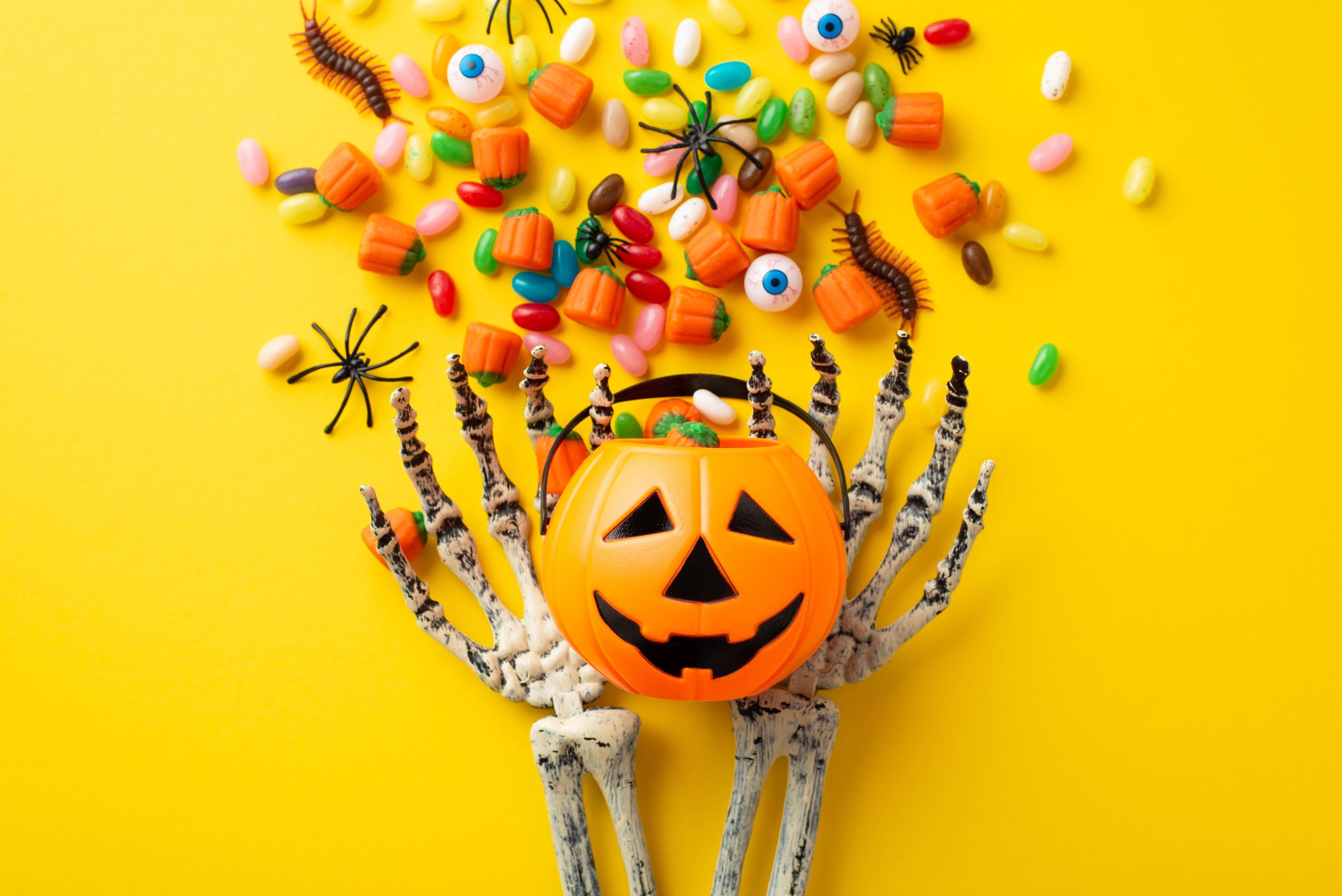
The Halloween economy owes much of its success to one key ingredient: candy. According to industry reports, billions of dollars are spent each year on confectionery alone. Major brands roll out limited-edition flavours, seasonal packaging, and nostalgic throwbacks to tap into both children’s excitement and adults’ fond memories.
The tradition of giving sweets gained momentum in the post-war era, when candy companies saw a golden opportunity. Individually wrapped treats were marketed as safe, convenient, festive and the perfect fuel for a night of door-to-door fun. Decades later, the association between sugar and Halloween is so strong that supermarkets now dedicate entire aisles to it weeks in advance, fuelling the frenzy for last-minute shoppers.
Dressing Up the Numbers
Costumes remain one of the biggest money-makers of the season. From classic vampires and witches to trending pop culture icons, the business of dressing up has become a creative competition of its own.
Retailers and online platforms have capitalised on the DIY and social media boom, offering everything from luxury costumes to affordable last-minute kits. Pet costumes have even emerged as a surprising growth segment.
As dressing up grew more elaborate, Halloween’s focus expanded beyond wardrobes to whole experiences. The same imagination that fuels costume design now drives immersive entertainment, from themed attractions to binge-worthy horror content that keeps audiences hooked all October long.
Haunted Houses, Streaming Screams
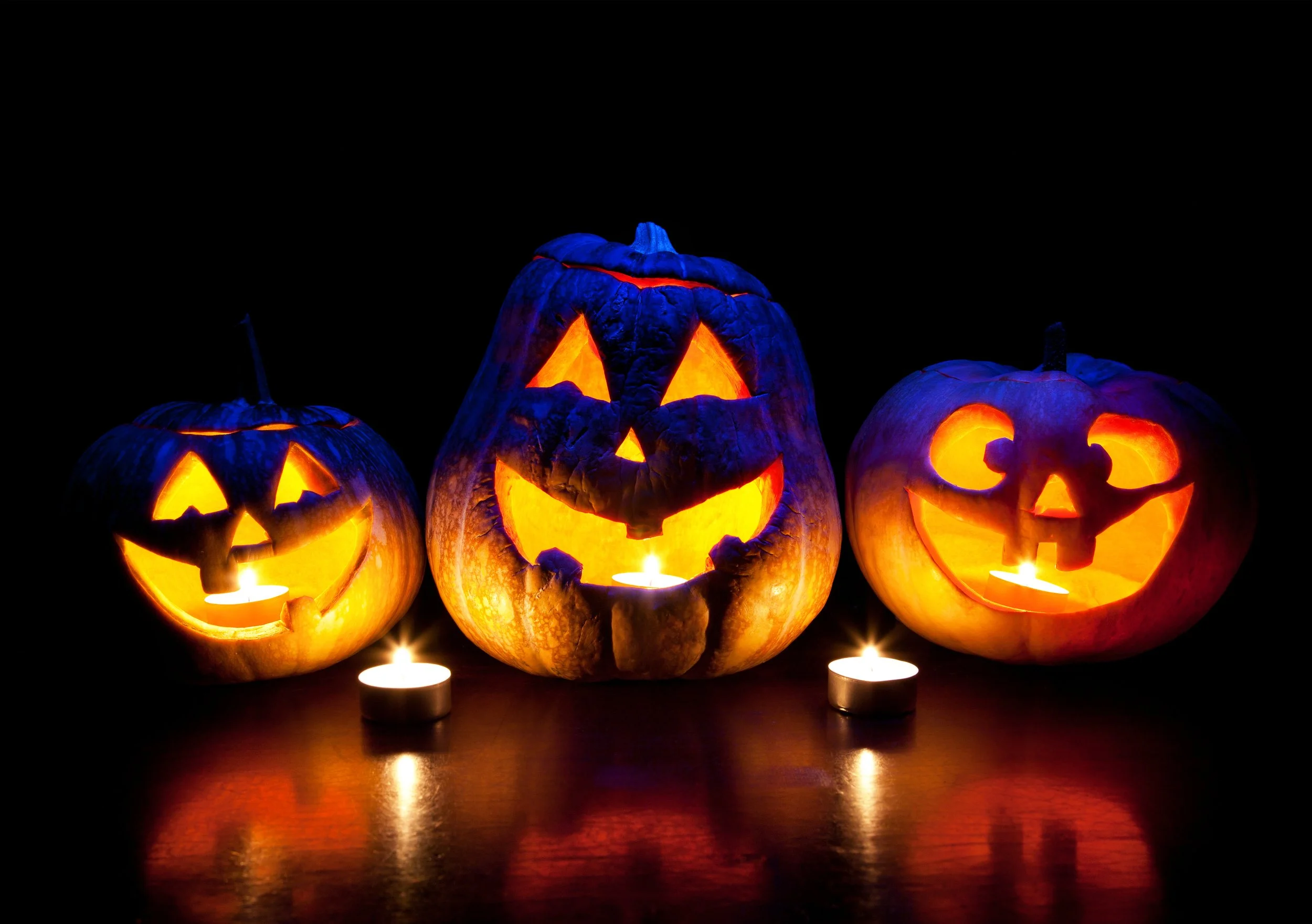
Entertainment has also found its sweet spot in the Halloween economy. Theme parks transform into haunted attractions, cinemas re-release horror classics, and streaming platforms flood their catalogues with spine-chilling content.
This blend of fear and fun keeps audiences coming back for more, proving that people love being scared, as long as it’s in a controlled, entertaining setting. In recent years, “immersive horror experiences” and “escape rooms” have become popular with adults seeking a modern twist on the Halloween thrill.
The rise of digital platforms has also redefined how Halloween stories are told. From viral horror shorts on TikTok to interactive series and AR filters, technology has blurred the line between spectator and participant. What was once a night of fright has become a month-long digital spectacle tailor-made for sharing, streaming, and engagement.
Marketing Magic and Social Media Spells
Where there’s attention, there’s opportunity — and brands have mastered the art of turning Halloween hype into business gold. Every October, marketing departments conjure themed campaigns, limited-edition products, and spooky collaborations that spark massive online buzz.
From pumpkin-spiced everything to horror-themed fashion drops, the season has become a playground for creative branding. Social media, in particular, has amplified Halloween’s commercial reach, with viral costume trends, DIY tutorials, and influencer-driven “spooktacular” content driving both engagement and sales.
The Price of Fear (and Fun)
Halloween’s transformation from ancient ritual to money-making business reflects more than clever marketing but reveals something deeply human. Fear, after all, is one of our oldest emotions, and turning it into play offers a way to face it safely.
For children, it’s about imagination and make-believe; for adults, it’s nostalgia, escapism, and community. Behind every carved pumpkin and costume sale lies a shared desire to connect and be part of a story bigger than ourselves, if only for one night.
As long as people crave a thrill, a laugh, and a little bit of magic in the dark, Halloween will continue to thrive. Proof that fear, when served with creativity and fun, can be very good for business indeed.
Keep your curiosity alive this season with documentaries that open your mind and stories that move your spirit on Global Trekker.
Explore weekly articles on Personality & Art, Science & Technology, Business, Destination & Food, or Nature & Environment on this space.
Broaden your mind, open your heart, and inspire your soul with Global Trekker.Follow us: