Disaster Cinema: Why We Love Watching the World End
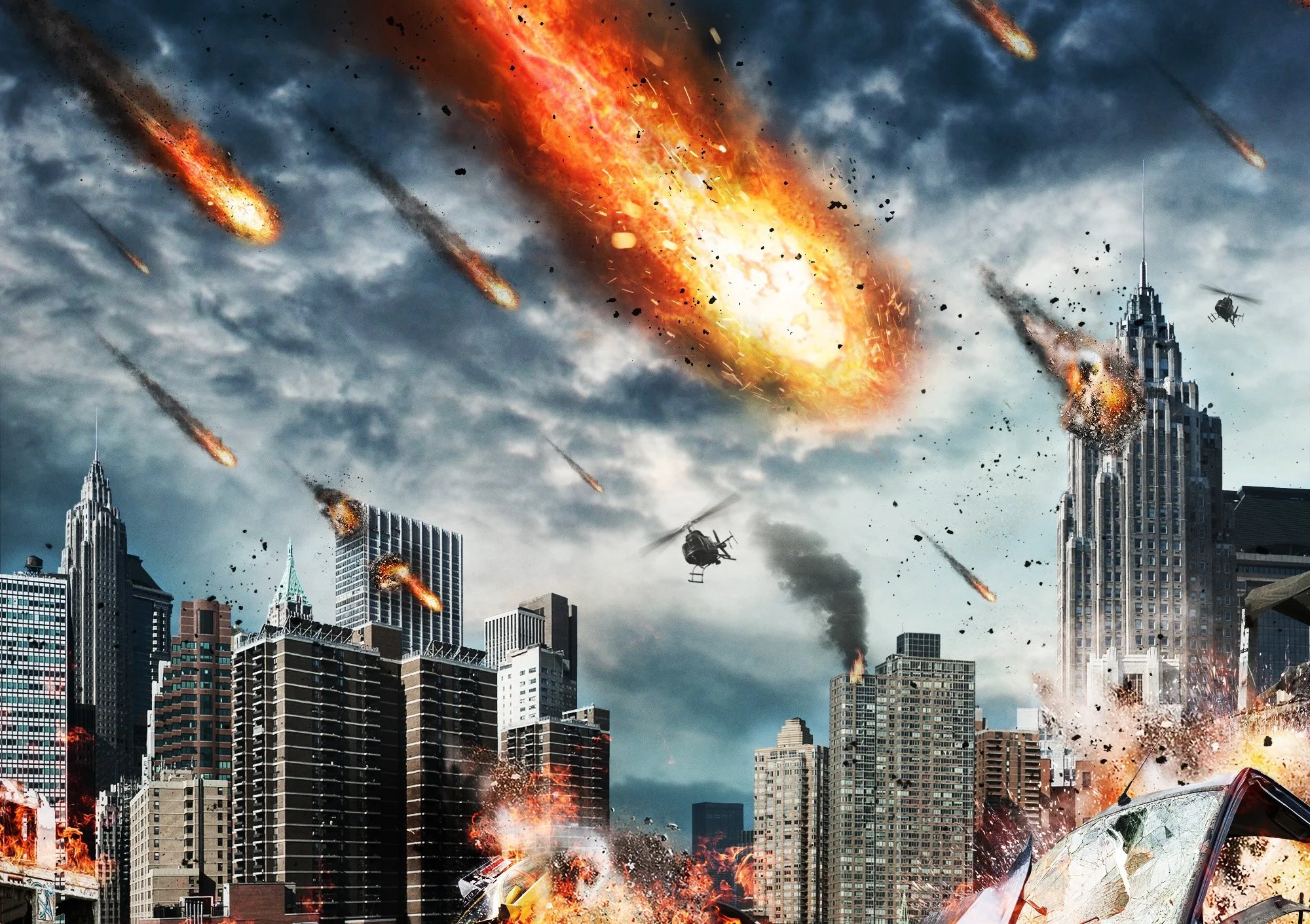
Cities collapse. Oceans rise. Meteors hurtle towards Earth. And still, audiences can’t look away. Disaster films have been a cinematic staple for decades — but what keeps us hooked on catastrophe? Beyond the dazzling special effects, these stories tap into something deeper: our psychology, our cultural anxieties, and even our primal instincts.
On the surface, disaster cinema looks like pure spectacle, but beneath the explosions lies a surprisingly complex appeal. Watching the world end on screen offers thrills without risk, order within chaos, and even a strange sense of comfort.
Explosions Earthquakes, and Endings
Psychologists suggest the fascination where audiences remain drawn to scenes of cities collapsing and landscapes torn apart reflects morbid curiosity or the urge to seek out images of danger and destruction when there is no direct threat. It is the same impulse that makes us slow down at accidents or devour news about natural disasters.
This curiosity serves a purpose. Some researchers argue it is evolutionary: by watching threats unfold at a safe distance, we learn how to anticipate and respond to danger without ever being in harm’s way. Others suggest it allows us to flirt with the forbidden — gazing at what we normally fear or avoid, but in a space where no real consequences exist.
In this way, disaster cinema functions like a rollercoaster: terrifying as the ride plunges, but exhilarating once it ends. We step off shaken yet strangely satisfied — unsettled, but entertained.
Safe in the Stalls
Disaster stories offer chaos within limits. Real-life events are unpredictable, messy, and often unresolved. On screen, however, the rules are different: the boundaries are set with a clear beginning, a defined narrative arc, and usually some form of resolution. Psychologists describe this as an illusion of control. Even as buildings collapse and societies crumble, the audience recognises that the story will eventually tie itself together — a luxury reality rarely affords.
This structure provides closure where none exists in real life. Actual disasters can leave open wounds: unanswered questions, ongoing loss, or the gnawing fear that it could happen again. In film, those anxieties are contained within a two-hour frame. By watching catastrophe play out safely on screen, audiences are able to process fear and uncertainty without being overwhelmed by them.
The effect is oddly comforting. Instead of endless news cycles or the lingering chaos of reality, disaster cinema reassures us that destruction can be survived, managed, and even understood. The world may end spectacularly, but the credits still roll — and in that neat ending lies a temporary sense of control over the uncontrollable.
The Hero Effect
At the centre of disaster storytelling lies the rise of ordinary people thrust into extraordinary circumstances. Heroes in these films are rarely superheroes in capes; more often, they are teachers, parents, scientists, or bystanders suddenly forced to confront the unimaginable. Their courage and ingenuity transform them from everyday figures into symbols of resilience.
Watching characters overcome chaos offers audiences a form of survival by proxy. Viewers experience danger through the safety of the screen, but also share in the triumph of endurance and ingenuity. This process provides reassurance: if these ordinary individuals can rise to the challenge, perhaps we could too.
The hero’s journey also restores a sense of order. While disaster strips away systems and structures, the hero embodies stability, morality, and hope. Their story demonstrates that even in collapse, human compassion and determination can prevail. In this way, disaster cinema does more than showcase destruction — it celebrates survival, solidarity, and the possibility of renewal.
Shared Shocks
Catastrophe is communal both in reality and in fiction. In the cinema, audiences gasp collectively as buildings topple or meteors strike, their reactions rippling through the theatre like aftershocks. This shared experience intensifies emotions: laughter feels louder, fear more acute, and relief more profound when experienced side by side.
Disaster films therefore become social as well as cathartic. The act of watching together transforms private unease into collective fascination. Much like people gathering around radios during wartime or huddling together during power cuts, audiences instinctively seek comfort in numbers when confronted with imagined peril.
This communal response echoes the instinct to unite in the face of real crises. In reality, neighbours rush to help, strangers share supplies, and communities rally when disaster strikes. On screen, that same reflex is mirrored in the collective audience experience. The fear may be fictional, but the solidarity it sparks is very real — a reminder that catastrophe, whether imagined or lived, binds us together.
Mirrors of Our Fears
Disaster films often mirror the anxieties of their time, acting as cultural barometers for society’s deepest concerns. During the Cold War, screens were filled with visions of nuclear annihilation, reflecting the ever-present dread of superpower conflict. In the late 1990s and early 2000s, asteroid impacts, alien invasions, and environmental collapse took centre stage, echoing both millennial unease and growing awareness of ecological fragility. More recently, pandemics and climate change have become dominant themes, resonating with audiences who live amidst rising seas, viral outbreaks, and debates over humanity’s impact on the planet.
Scholars describe this as cultural anxiety in cinematic form: entertainment becomes a mirror through which we project, explore, and sometimes attempt to exorcise our collective fears. These stories allow us to confront overwhelming issues from a distance, transforming abstract dread into visible, tangible threats. A towering wave or a city levelled by fire is easier to picture and paradoxically easier to process than the slow, invisible creep of global warming or the uncertainty of a viral mutation.
In this sense, disaster cinema is never just about spectacle. It is a kind of cultural storytelling that reveals what keeps us awake at night, from mushroom clouds to melting ice caps. By dramatising our anxieties, these films give shape to the shapeless and provide audiences with a safe arena in which to wrestle with the terrors of their age.
The World Ends We Stay Seated
Ultimately, the fascination with disaster cinema lies in its paradox: we enjoy watching worlds end precisely because ours does not. The big screen becomes a sandbox for chaos or an arena where destruction is breathtaking, safe, and strangely addictive. By the time the credits roll, we walk out into the night reassured that life, at least outside the cinema, goes on.
This October, Global Trekker enters the Impact Zone — a curated lineup of films and documentaries that plunge straight into the heart of natural disasters.
Explore weekly articles on Personality & Art, Science & Technology, Business, Destination & Food, or Nature & Environment on this space.
Broaden your mind, open your heart, and inspire your soul with Global Trekker.Follow us: