Wildlife Wins: The Best Conservation Comebacks of 2025
Conservation often feels like a race against time, but 2025 has delivered encouraging news from across the natural world. This year saw a number of species rebound through protection, reintroductions, and long-term ecological restoration. Some have reclaimed former habitats, while others have improved their status on the global conservation scale.
Here are the standout wildlife “comeback kids” of 2025.
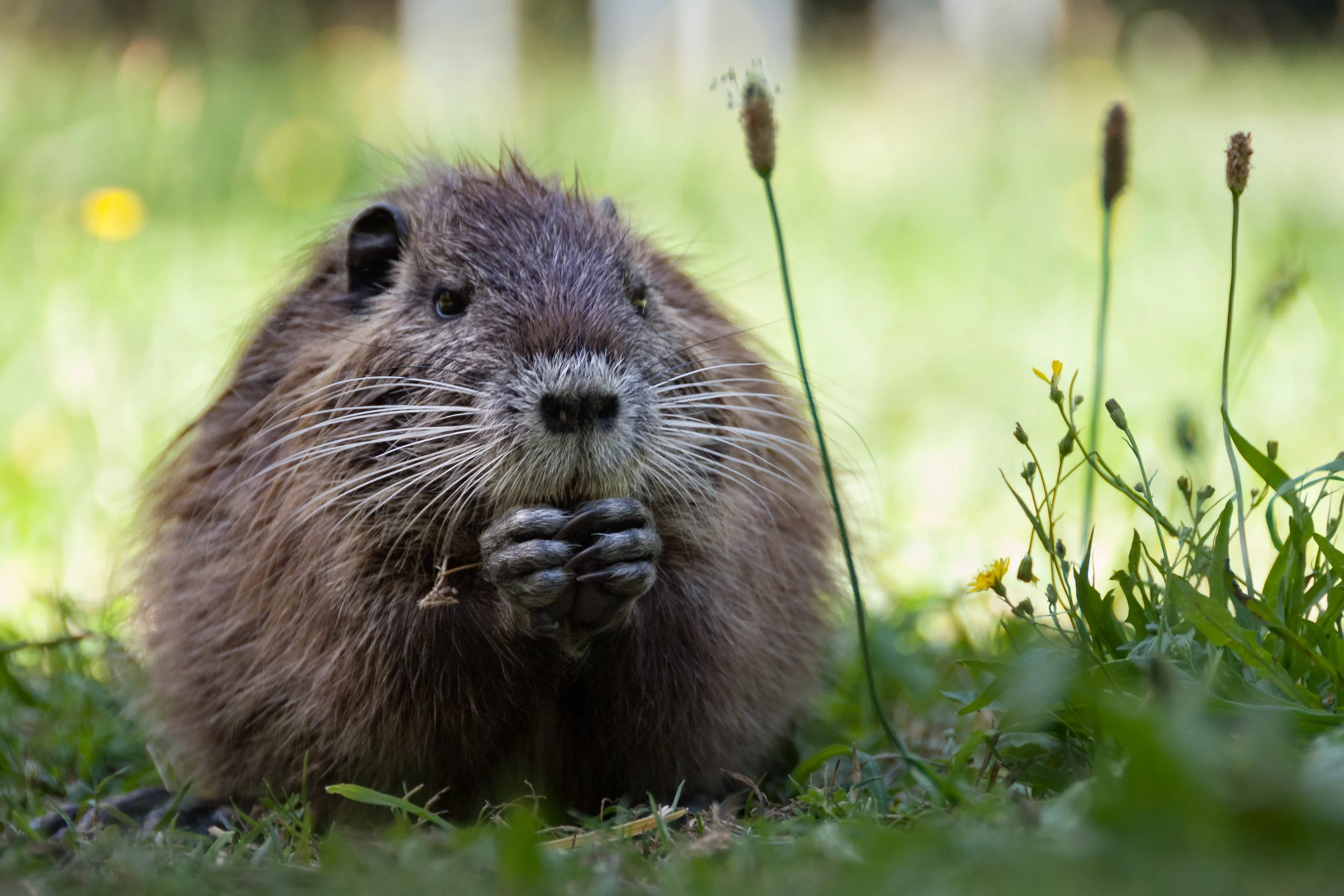
Eurasian Beaver (England / UK)
What changed in 2025: England authorised licensed wild releases of beavers for the first time in centuries. In March, the first beavers were released into a lake in Purbeck, Dorset. Later in the year, a wild beaver was spotted in Norfolk, the county’s first in over 500 years.
Why it matters: Beavers are ecosystem engineers. Their wetlands support biodiversity, improve water quality, and help mitigate flooding.
Takeaway: Their return signals the success of rewilding efforts and marks a major milestone in restoring native British fauna.
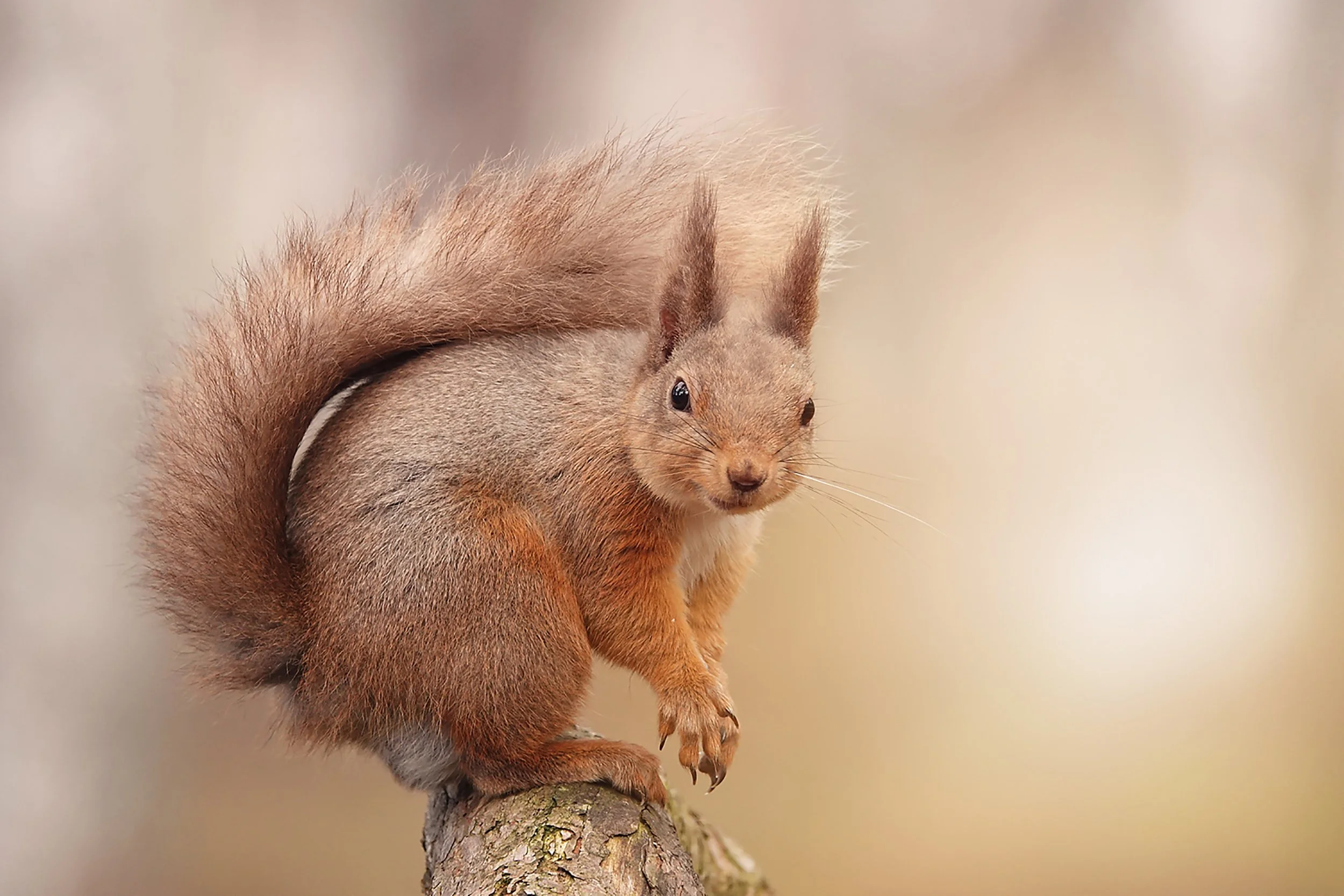
Red Squirrel (Scottish Highlands, UK)
What changed in 2025: After a decade-long reintroduction programme, the Highland red squirrel population expanded by more than 25%. In 2025 alone, 259 squirrels were relocated into 13 restored woodlands.
Why it matters: Competition from grey squirrels once pushed them to the brink in many areas. Their comeback shows that long-term habitat work and invasive species management can reverse declines.
Takeaway: A beloved symbol of Scotland, the red squirrel’s recovery is one of the UK’s strongest conservation success stories in 2025.
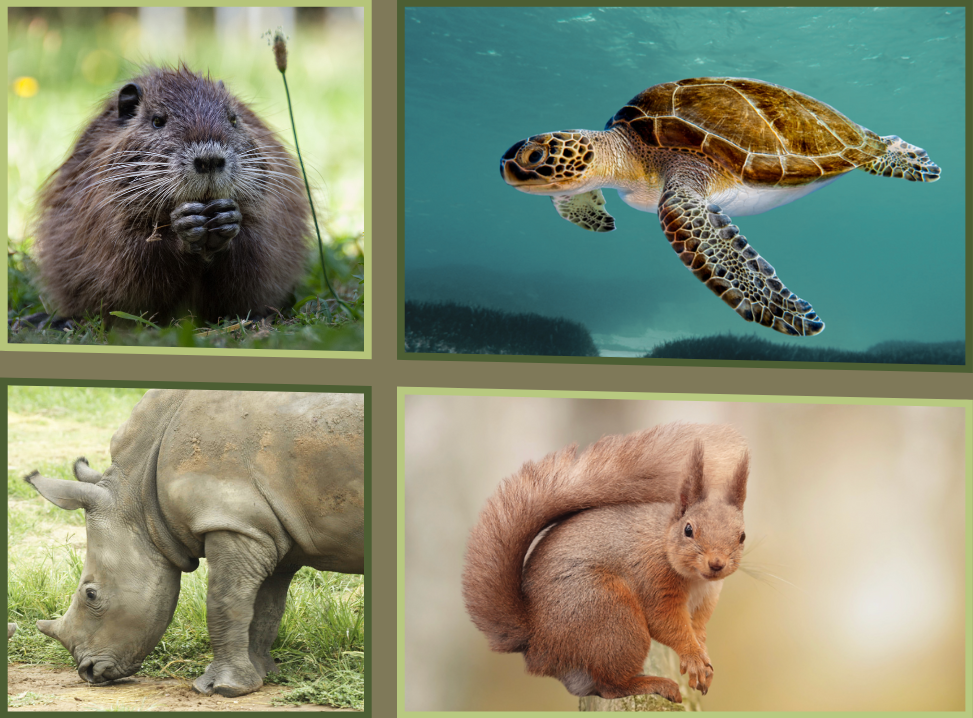
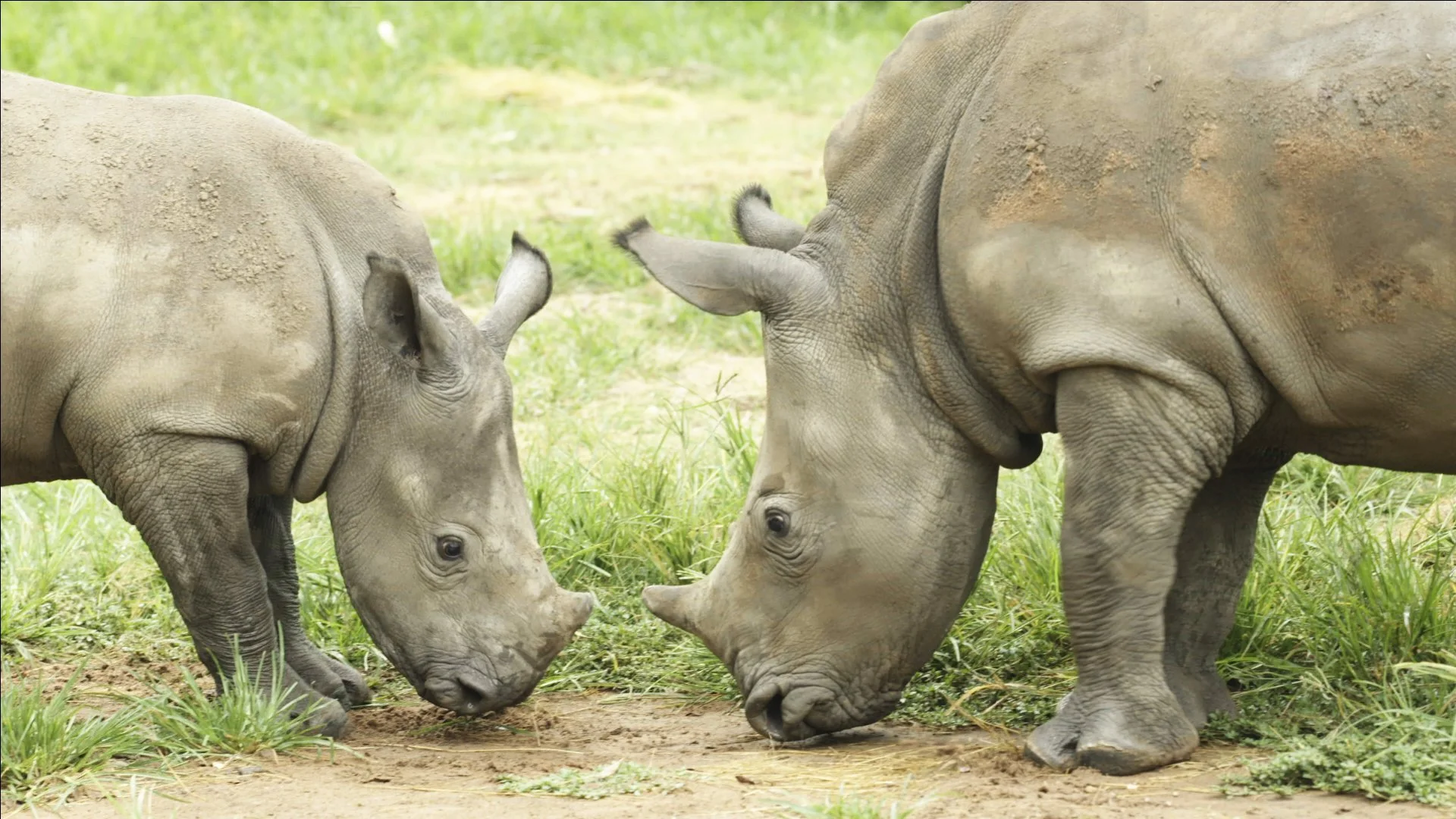
Rhinos (Africa and South Asia)
What changed in 2025:
The Black Rhinoceros global population rose from 6,195 to 6,788.
The Greater One-Horned Rhinoceros reached around 4,075 individuals across India and Nepal.
Mozambique reintroduced 10 Black Rhinos into Zinave National Park, creating the first founder population there in decades.
Why it matters: Rhinos remain heavily threatened by poaching and habitat loss, making even modest increases significant. The return of rhinos to former ranges in southern Africa marks a hopeful step for the species’ long-term survival.
Takeaway: While still vulnerable, rhinos show that determined protection, translocation, and community involvement can create real change.
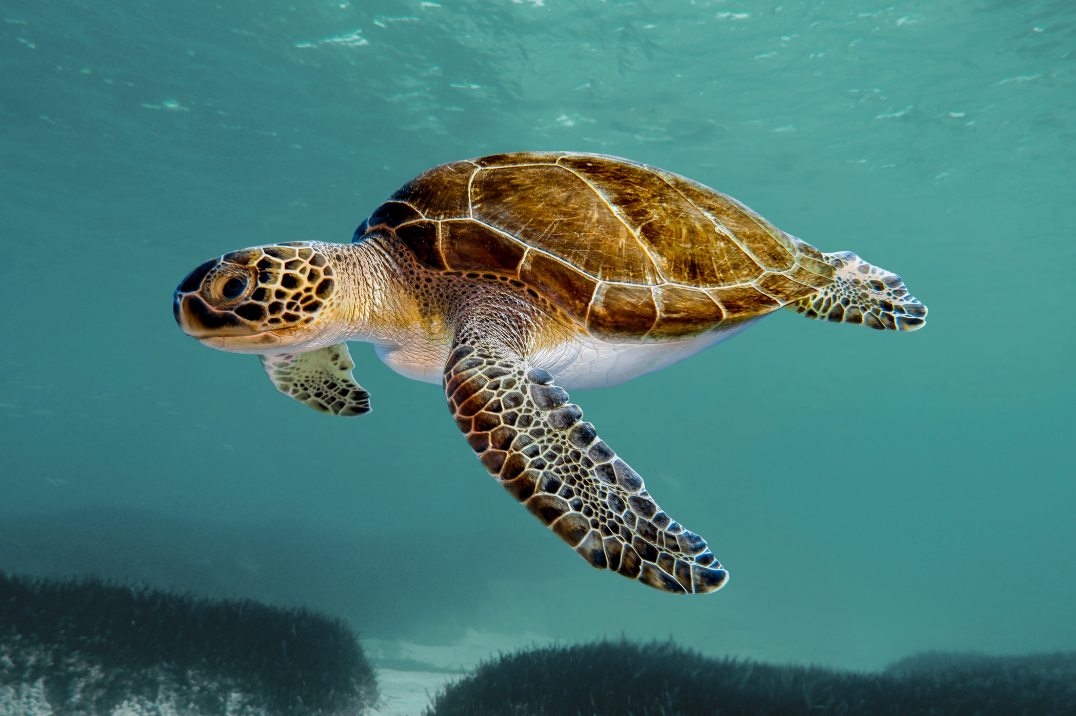
Green Sea Turtle (Global Oceans)
What changed in 2025: The IUCN Red List reclassified the Green Sea Turtle from “Endangered” to “Least Concern” after decades of rising numbers and improved global nesting success.
Why it matters: This shift reflects worldwide collaboration: protected beaches, reduced by-catch, and sustained hatchery programmes.
Takeaway: We have a rare global-scale marine recovery, though some local populations still need protection
Birds & Invertebrates (Island-specific)
What changed in 2025: The latest IUCN Red List update recorded at least 20 species down-listed into lower-risk categories thanks to habitat restoration, invasive species control, and targeted conservation efforts.
Birds showing notable recovery:
Rodrigues Warbler (Acrocephalus rodericanus) and Rodrigues Fody (Foudia flavicans) – Rodrigues Island, Mauritius
Guadalupe Junco (Junco insularis) – Guadalupe Island, Mexico
Olive-sided Flycatcher (Contopus cooperi) – North America
Rustic Bunting (Emberiza rustica) – Eurasia
Lidth’s Jay (Garrulus lidthi) – Amami Islands, Japan
Okinawa Robin (Larvivora namiyei) – Okinawa Island, Japan
Black-faced Spoonbill (Platalea minor) – East Asia
Blue-winged Macaw (Primolius maracana) – South America
Amami Woodcock (Scolopax mira) – Amami Islands, Japan
Redwing (Turdus iliacus) – Europe and Asia
Invertebrates bouncing back:
Molluscs such as Conus regonae moved from “Vulnerable” to “Least Concern,” demonstrating that even lesser-known species can rebound with adequate protection.
Why it matters: These improvements show how responsive island and forest ecosystems can be when threats are removed.
Takeaway: Conservation success is not limited to mammals as birds and invertebrates are also benefiting from sustained ecological care.
Why These Comebacks Matter
2025 stands out as a year of measured hope for wildlife. Many gains reflect decades of sustained effort, proving that conservation is a marathon rather than a sprint. While improved status does not mean full recovery, with many populations still far below their historic numbers, better monitoring and science-led interventions have helped conservationists understand trends more clearly and act more effectively. These successes are especially meaningful in a world where biodiversity loss remains a persistent threat, making every recovery story both precious and fragile.
The species returning from the brink in 2025 show that persistence works: with consistent protection, wildlife can rebound. The progress is global and diverse, from turtles and rhinos to beavers, birds, and even sea-snails, demonstrating that recovery is possible across regions and branches of the animal kingdom. None of this would be achievable without collaboration between governments, conservation groups, researchers, and communities on the ground.
Hope, then, is justified but vigilance is essential. These wins remind us what is possible when humanity chooses stewardship over indifference. The world is witnessing a quiet comeback, one species at a time, and our actions now will determine whether these triumphs become the new normal or remain rare exceptions.
See how nature recovers and how humanity helps protect it, one story at a time on Global Trekker.
Explore weekly articles on Personality & Art, Science & Technology, Business, Destination & Food, or Nature & Environment on this space.
Broaden your mind, open your heart, and inspire your soul with Global Trekker.Follow us: