The Sparkling Comeback of the Fireflies
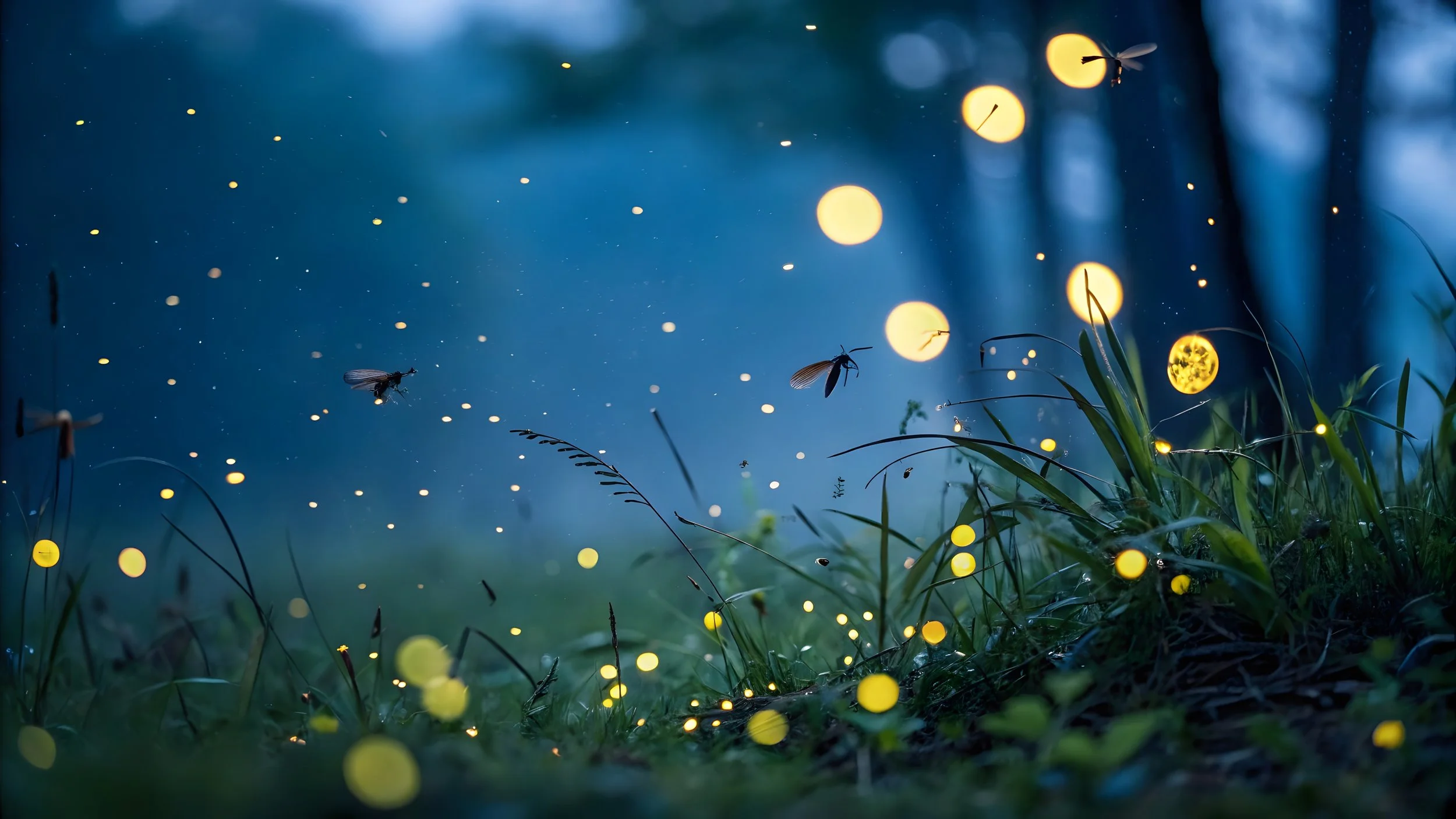
After decades of decline, the gentle twinkle of fireflies is returning to landscapes across Asia and the Americas. Once dimmed by habitat loss, pollution, and urban sprawl, these bioluminescent beetles are beginning to make a luminous comeback which is a small yet profound signal that conservation and collective care can indeed turn the tide.
Reports of resurgent firefly populations have emerged from Thailand’s mangroves, Japan’s riverbanks, and the forests of Malaysia and the Philippines, to the wetlands of Mexico and the eastern woodlands of the United States. Each sighting carries a glimmer of optimism: the glowworms and lightning bugs once vanishing into memory are now flickering back to life.
Light Lost: What Dimmed the Glow
The decline of fireflies in the late 20th century was no mystery. Expanding cities and deforestation stripped away breeding and feeding grounds. Artificial lighting disrupted mating rituals that rely on flashes of light for communication. Pesticides and pollution further poisoned their delicate ecosystems.
Unlike other insects that can adapt swiftly, fireflies depend on very specific conditions like damp soils, clean water, and dark nights. When these vanish, so do they. By the early 2000s, many communities that once celebrated firefly festivals found themselves with none left to see.
A Flicker of Hope: Conservation Takes Charge
What has changed is the growing recognition that protecting even small creatures can have wide ecological benefits. Across Asia, grassroots movements and local governments have stepped in to preserve firefly habitats. In Thailand, riverside communities have limited boat traffic and artificial lighting during the insects’ mating season. Japan’s famous hotaru festivals now emphasise conservation as much as celebration, with volunteers monitoring light pollution and water quality. Similarly, in the Philippines, firefly tourism has become a model for community-led conservation. Villages in Bohol, Palawan, and Sorsogon have created eco-friendly night tours through mangrove-lined rivers, using non-motorised boats and trained local guides. These efforts protect fragile ecosystems while providing sustainable livelihoods for residents.
In the Americas, projects in Pennsylvania and Tennessee have restored wetlands and woodlands once thought beyond recovery. In Mexico, ecotourism programmes have emerged around the Santuario de las Luciérnagas(Sanctuary of the Fireflies) offering guided night walks that help fund local conservation efforts while ensuring minimal disturbance to the insects.
When Communities Shine Together
Behind many of these success stories lies community action. In rural Philippines, for instance, residents have revived mangroves along the Abatan River, creating sanctuaries that attract both fireflies and visitors. Locals serve as eco-guides, ensuring that tourism remains sustainable and beneficial. Similarly, in Costa Rica and the southern United States, citizen scientists have been mapping firefly sightings to aid researchers studying population trends.
These efforts illustrate a vital lesson: when communities reconnect with their natural surroundings, conservation ceases to be an abstract goal and becomes a shared experience. Fireflies, in this sense, have become ambassadors of environmental awareness or small messengers reminding humanity of what can be restored through collective care.
Science of the Spark: Nature’s Living Lanterns
The firefly’s glow, a chemical reaction called bioluminescence, is a marvel of efficiency. The reaction between luciferin, oxygen, and the enzyme luciferase produces light without heat, a process scientists have long admired and even mimicked in developing eco-friendly lighting and medical imaging tools.
For fireflies, however, the glow serves a simpler yet vital purpose: communication. Each species has its own unique flash pattern used for courtship. These light signals are so precise that males and females of different species rarely mistake one another in a synchrony that makes their displays among nature’s most captivating spectacles.
The Night Reimagined: Balancing Progress and Darkness
The firefly’s revival highlights an increasingly urgent environmental concern or the disappearance of natural darkness. Light pollution, often dismissed as a minor inconvenience, disrupts ecosystems worldwide. Reducing unnecessary outdoor lighting, shielding lamps, and using warmer-coloured bulbs are simple measures that have shown measurable benefits for firefly populations and nocturnal wildlife alike.
Some towns, inspired by their returning glow, now hold “lights out” evenings or dark-sky festivals, celebrating both starlight and firelight. These gestures, small as they seem, symbolise a growing awareness that conservation often begins not with grand gestures but with the flick of a switch.
The Last Flicker: Lessons in Light
The firefly’s comeback is more than a tale of ecological recovery; it is a reflection of how resilience in nature often mirrors resilience in humanity. Where once their light dimmed, coordinated conservation, science, and local stewardship have rekindled their spark.
Each glowing insect now carries a quiet message that restoration is possible, that wonder still exists, and that even the smallest lights can guide the way forward.
From rivers that glow to forests that heal, see how conservation lights the way forward. Watch inspiring environmental stories on Global Trekker.
Explore weekly articles on Personality & Art, Science & Technology, Business, Destination & Food, or Nature & Environment on this space.
Broaden your mind, open your heart, and inspire your soul with Global Trekker.Follow us: