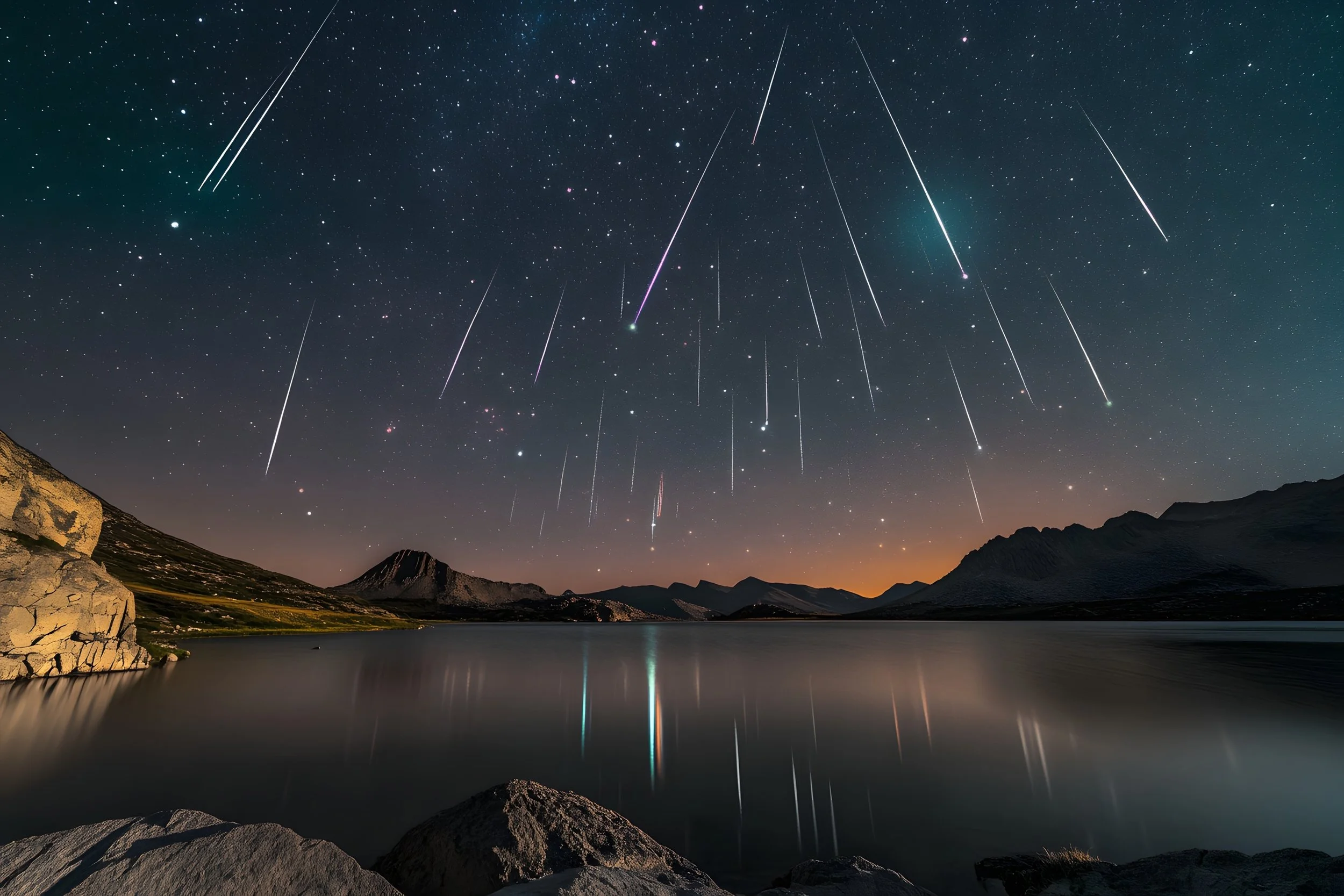
Chasing the Perseids: Where to Watch the 2026 Meteor Shower in Southeast Asia
Look Beyond the City Lights
Every August, the Perseid Meteor Shower transforms the night sky into one of nature's most dazzling displays. Peaking on 12–13 August 2026, this annual spectacle draws travellers from around the world in search of dark skies and unforgettable nights beneath the stars.
For many people in Singapore and across Southeast Asia, however, seeing the Perseids can be a challenge. Bright city lights, humid conditions and frequent cloud cover often limit visibility. But that doesn't mean you have to miss out. Instead, the meteor shower offers the perfect excuse for a weekend escape to some of the region's best stargazing destinations.
Why the Perseids Are Special
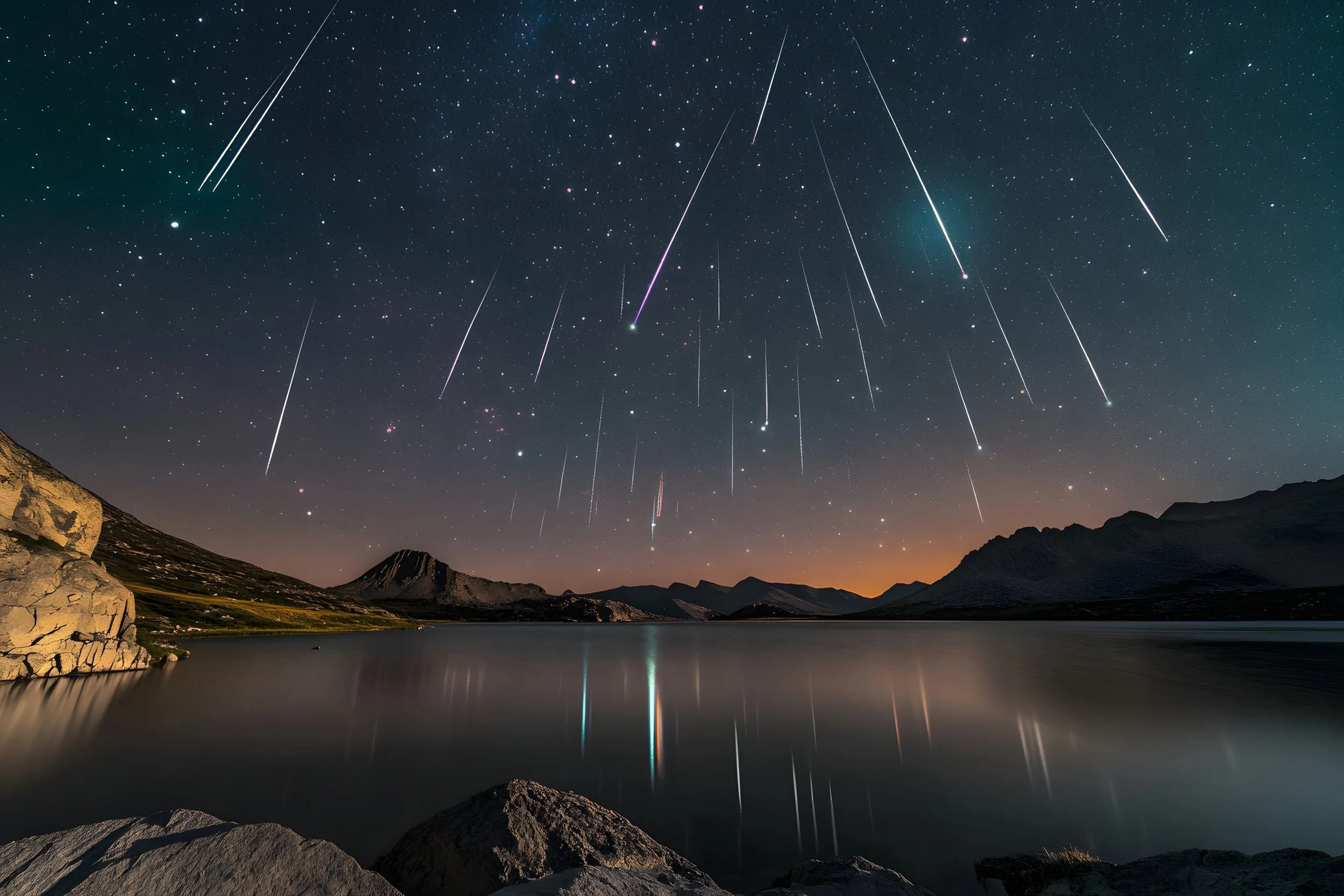
The Perseids occur when Earth passes through the stream of dust and debris left behind by Comet Swift–Tuttle. As these tiny particles enter Earth's atmosphere at speeds of nearly 60 kilometres per second, they burn up, creating the brilliant streaks of light we know as meteors.
One of the Perseids' greatest attractions is their accessibility. No telescope is required—just a dark sky, clear weather and a little patience. Under favourable conditions, observers may see dozens of meteors each hour, making it one of the year's most rewarding astronomical events.
Where to Watch in Southeast Asia
You don't have to travel halfway around the world to enjoy spectacular night skies. Several destinations within a short flight of Singapore offer excellent stargazing opportunities.
In Malaysia, Taman Negara National Park and the highlands around Kundasang in Sabah provide darker skies away from major urban centres. Indonesia's Belitung Island and quieter parts of Bintan are popular for their coastal views and relatively low levels of light pollution. In Thailand, Doi Inthanon National Park combines mountain scenery with excellent night-sky viewing, while the Philippines' Batanes offers dramatic landscapes and some of the darkest skies in the region.
Even in Singapore, it's worth looking up. Although the city's light pollution limits visibility, coastal locations such as East Coast Park or Changi Beach may still offer glimpses of brighter meteors on exceptionally clear nights.
The Rise of Astrotourism
Interest in astrotourism has grown steadily as more travellers seek meaningful experiences in nature. From guided stargazing sessions and astrophotography workshops to overnight stays beneath the Milky Way, these experiences encourage a slower pace of travel and a deeper appreciation of the natural world.
Dark-sky destinations also play an important role in conservation by reducing light pollution, protecting nocturnal wildlife and preserving one of our planet's most overlooked natural resources—the night sky itself.
Stories Written in the Stars
For centuries, the stars have guided communities across Southeast Asia. The Bugis and Bajau peoples, renowned for their seafaring traditions, navigated vast stretches of ocean using the stars long before modern instruments. Across the wider region, Indigenous communities have also looked to the heavens to mark changing seasons, guide planting cycles and pass down stories through generations.
These traditions remind us that the night sky is more than a scientific wonder—it is also a living record of culture, history and human curiosity.
Plan Your Meteor Escape
Whether you're heading into the Malaysian rainforest, exploring an Indonesian island or venturing to the mountains of northern Thailand, the Perseid Meteor Shower offers a compelling reason to travel after dark.
Pack a blanket, switch off your phone, and give your eyes time to adjust to the darkness. Sometimes the most memorable journeys begin not with a map, but by simply looking up.
Stay tuned to Global Trekker for more in-depth coverage of nature, the environment, and other pressing global issues. Together, let’s explore the world through our Nature & Environment articles.
Broaden your mind, open your heart, and inspire your soul with Global Trekker.Follow us: