
Ghosts of August: Spirits, Stories & Tradition
A Time for Remembrance
Every year, communities across Southeast Asia observe the seventh month of the lunar calendar as a period for remembering ancestors and honouring the departed. Known as Ghost Month, the observance is rooted in Chinese traditions and beliefs about the relationship between the living and the spirit world.
In 2026, Ghost Month begins on 13 August, with the Hungry Ghost Festival falling on 27 August. Across Singapore, Malaysia, Taiwan, Hong Kong, Macau and parts of mainland China, the period is marked by temple ceremonies, offerings, incense and community performances.
Although customs differ between communities, remembrance and respect remain at the heart of the observance.
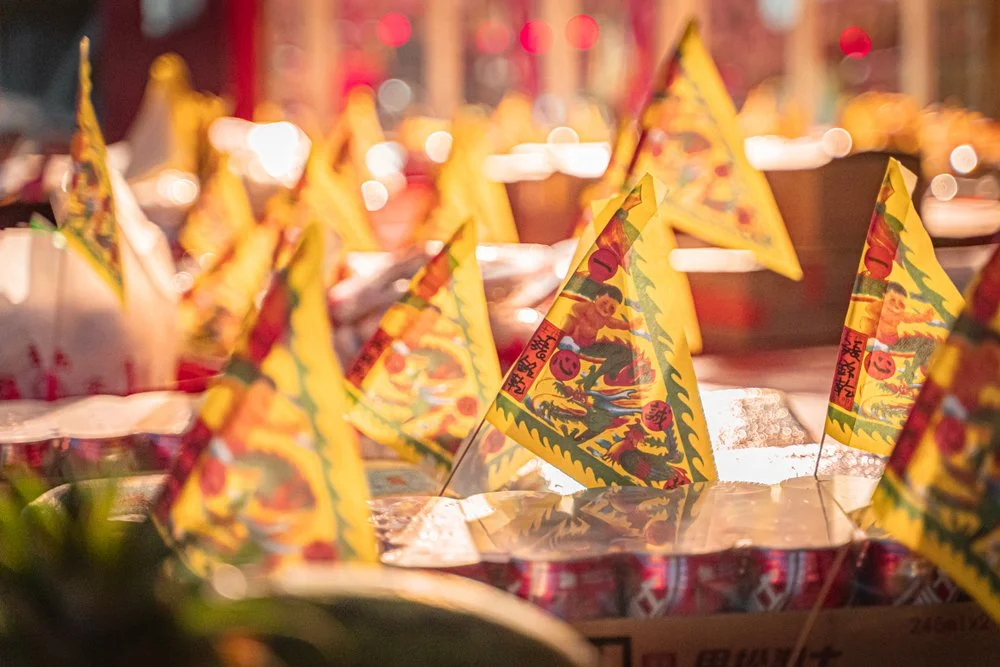
Understanding Ghost Month
Honouring the Departed
Traditional beliefs hold that during the seventh lunar month, spirits are able to visit the world of the living. Families may prepare offerings of food, fruit, tea and other items, while incense and joss paper are used in some rituals.
The idea of the “hungry ghost” refers to spirits who are believed to have no descendants or offerings to care for them. Rituals during the month are therefore seen by many devotees as expressions of respect and remembrance. TheNational Heritage Board’s guide to Zhong Yuan Jie provides further insight into these traditions.
For families, Ghost Month can also be a time to reflect on ancestry, family ties and the importance of remembering those who came before.
Ghost Month in Singapore
Temples, Altars and Getai
Singapore provides a distinctive setting for these traditions. Chinese temples and community groups across the island hold ceremonies, while temporary offering tables can appear outside homes, shops and businesses.
One of the most recognisable traditions is getai, a live stage show featuring singers, dancers, comedians and hosts. Performances may be held in Mandarin or Chinese dialects including Hokkien, Teochew and Cantonese.
Traditionally, the front rows are left empty for visiting spirits. Today, however, getai has also become a form of living heritage. Modern shows can incorporate pop music, contemporary staging and digital production, helping introduce the tradition to younger audiences. TheSingapore National Heritage Board recognises getai as part of Singapore’s intangible cultural heritage.
A Regional Tradition
From Singapore to Southeast Asia
Ghost Month is observed in different forms across Southeast Asia. In Malaysia, Chinese communities continue to hold temple ceremonies, public performances and offering rituals. Similar practices can be found among Chinese Indonesian communities, alongside traditions shaped by local religious and cultural influences.
The details may vary, but the emphasis on family, remembrance and respect creates a shared cultural thread across the region.
Keeping Heritage Alive
Tradition in a Modern Singapore
As lifestyles change, so too does the way Ghost Month is experienced. Younger generations may have less familiarity with traditional dialects or rituals, while social media and digital platforms are creating new ways to share cultural knowledge.
Yet the continued observance of Ghost Month demonstrates the resilience of these traditions. Temples remain active, families continue to make offerings and performers are finding new ways to present cultural practices to modern audiences.
Ultimately, Ghost Month is about more than beliefs surrounding spirits. It is a reminder of family, memory and continuity — connecting present-day communities in Singapore and Southeast Asia with the generations that came before them.
Explore the world with Global Trekker, expanding your horizons through art, food, nature, business, and technology from around the world. Enjoy a new article every Wednesday and documentaries monthly. Find out ways to watch our channel here.
Broaden your mind, open your heart, and inspire your soul with Global Trekker.Follow us: