
World Oceans Day 2026: Rethinking the Great White Shark
For decades, the great white shark has occupied a familiar place in the human imagination — part myth, part menace, shaped more by cinema and headlines than by science. Yet in the open ocean, far from shorelines and storylines, Carcharodon carcharias plays a role that is far less symbolic and far more structural: it is a regulator of marine balance.
As World Oceans Day 2026 draws global attention to the state of the seas, the conversation is increasingly shifting away from isolated species and toward the systems they sustain. Within that framework, the great white shark is less an emblem of fear than a working component of ocean ecology.
Reaching lengths of up to 6 metres and weighing well over a tonne, it is among the largest predatory fish on Earth. Yet despite its scale and notoriety, much of its life remains elusive — traced through movement patterns, tagging data, and fleeting underwater encounters across vast migratory ranges.
The Architecture of Ocean Balance
Great white sharks occupy the uppermost tier of marine food webs, where influence is exerted not through abundance, but through presence. As apex predators, they shape the behaviour and distribution of species below them, helping to maintain ecological equilibrium in systems that depend on balance rather than dominance.
Their role is not symbolic. It is measurable. In marine ecosystems, the removal of top predators can trigger cascading effects that alter population structures and habitat dynamics over time. It is one reason scientists often describe sharks as “structural species” — organisms that help hold ecological systems in place.
Yet the oceans are under increasing strain. Global assessments estimate that more than 100 million sharks are killed annually through targeted fishing and bycatch, according to widely cited conservation summaries from organisations including WWF and FAO-aligned research.
At the same time, roughly one-quarter of shark and ray species are now considered threatened with extinction, according to the IUCN Red List.
These numbers do not exist in isolation. They reflect broader pressure across marine environments already shaped by warming seas, shifting currents, and accelerating biodiversity loss.
Sharks as Survivors of Deep Time
To understand sharks is also to understand longevity on a geological scale. The lineage of sharks extends back more than 400 million years, predating trees, dinosaurs, and most modern vertebrate groups. (Source overview: NOAA Ocean Service)
They have survived multiple mass extinction events, adapting repeatedly to changes in ocean chemistry, temperature, and prey availability.
And yet, their current challenges are relatively recent — driven not by natural cycles, but by industrial-scale fishing, habitat disruption, and rapidly changing ocean conditions occurring within a compressed human timeline
In that contrast lies a central tension of modern marine science: ancient species encountering modern pressures at unprecedented speed.
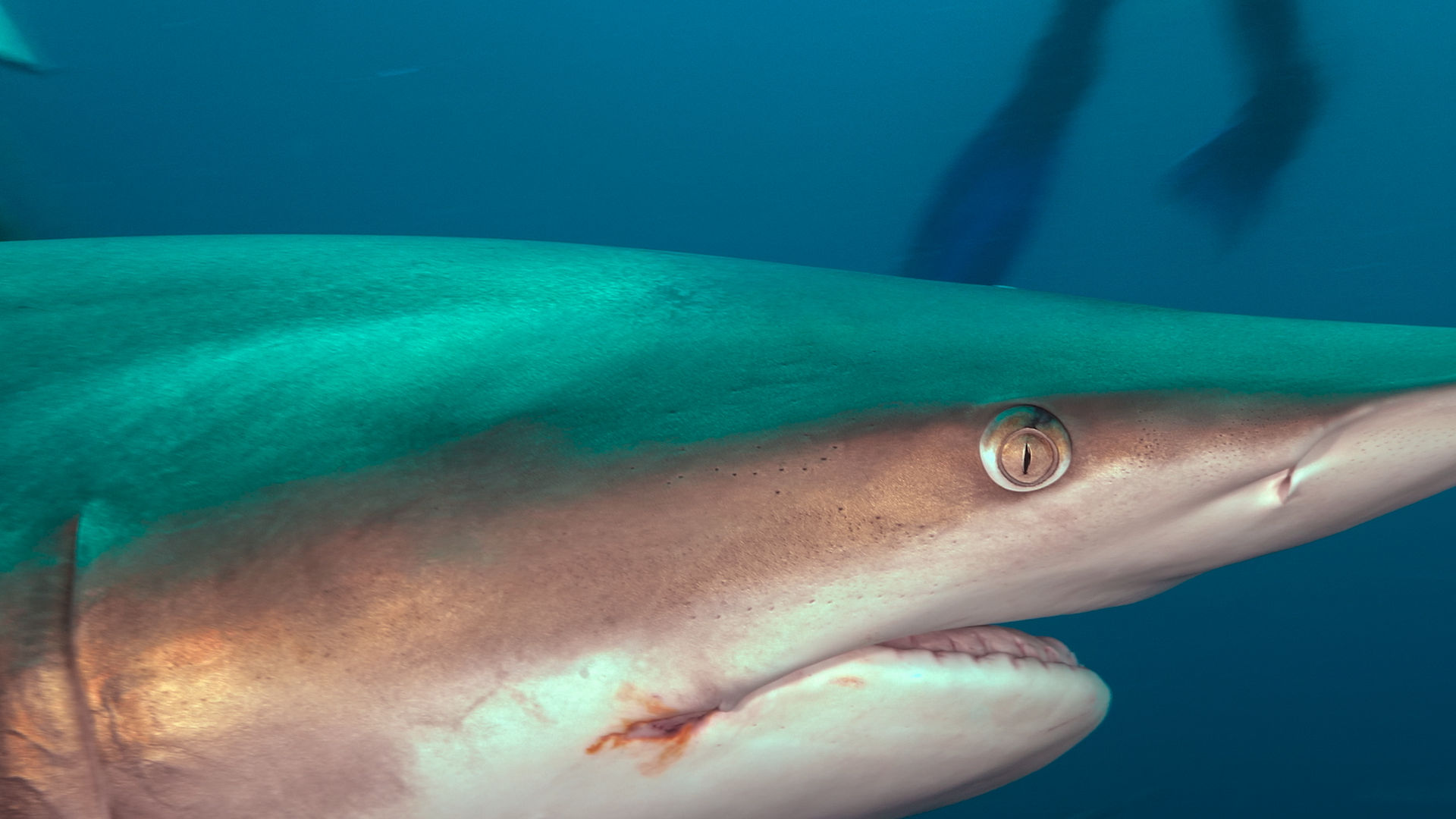
Archival photograph as seen in Secrets of the Great White Shark
Oceans Under Pressure, Systems Under Strain
World Oceans Day continues to frame the ocean not as a distant frontier, but as an active system under stress. Rising sea temperatures are altering migration routes and breeding grounds. Plastic pollution now reaches even the deepest ocean trenches. Coastal development and overfishing continue to reshape habitats that once appeared stable.
For wide-ranging species such as great white sharks, these shifts are not abstract. They are spatial and behavioural — changes in where they feed, how they migrate, and which ecosystems they interact with.
The ocean, in this sense, is not simply changing. It is reorganising.
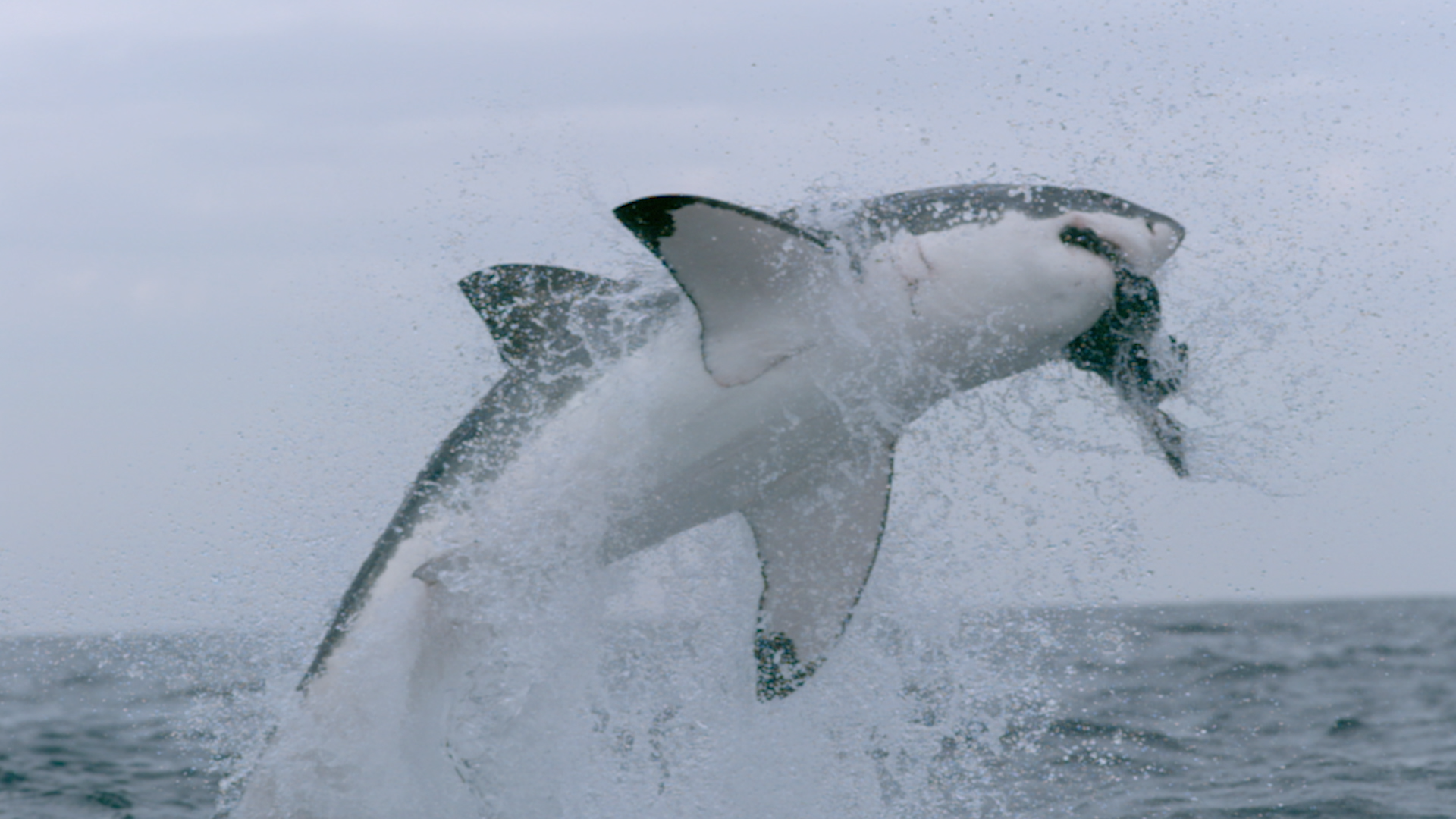
Archival photograph as seen in Secrets of the Great White Shark
Changing the Narrative
Public perception remains one of the most persistent challenges in shark conservation. The cultural image of the great white shark is still heavily shaped by fear-based storytelling, despite decades of scientific work aimed at reframing that narrative.
Here, visual science has become a critical bridge. Underwater filming, tagging programmes, and long-term behavioural studies have revealed animals that are more complex, more mobile, and more ecologically integrated than earlier portrayals suggested.
And for audiences encountering these findings through documentary storytelling, the shift is often less about information than perspective — an adjustment in how the ocean itself is understood.
For those interested in exploring this perspective further, Secrets of the Great White Shark forms part of Global Trekker’s World Oceans Day programming, airing on 9 June at 20:10 and again on 16 June at 17:45, within a limited broadcast window focused on marine life and ocean systems.
A System, Not a Stage
Ultimately, the great white shark is not an exception within the ocean — it is part of its design. Its presence reflects balance, its absence signals change, and its future is tied to the broader health of marine ecosystems.
World Oceans Day serves as a reminder that the ocean is not a backdrop to life on Earth, but one of its primary operating systems. Within that system, every species — including those most often misunderstood — plays a role in maintaining the whole.
Stay tuned for more stories from our Nature & Environment topics, where we continue to explore the intricate relationship between human culture and nature conservation.
Broaden your mind, open your heart, and inspire your soul with Global Trekker.Follow us: