2026 FIFA World Cup Opening Ceremonies: Where Sport Becomes Global Culture
A Stage Larger Than Football
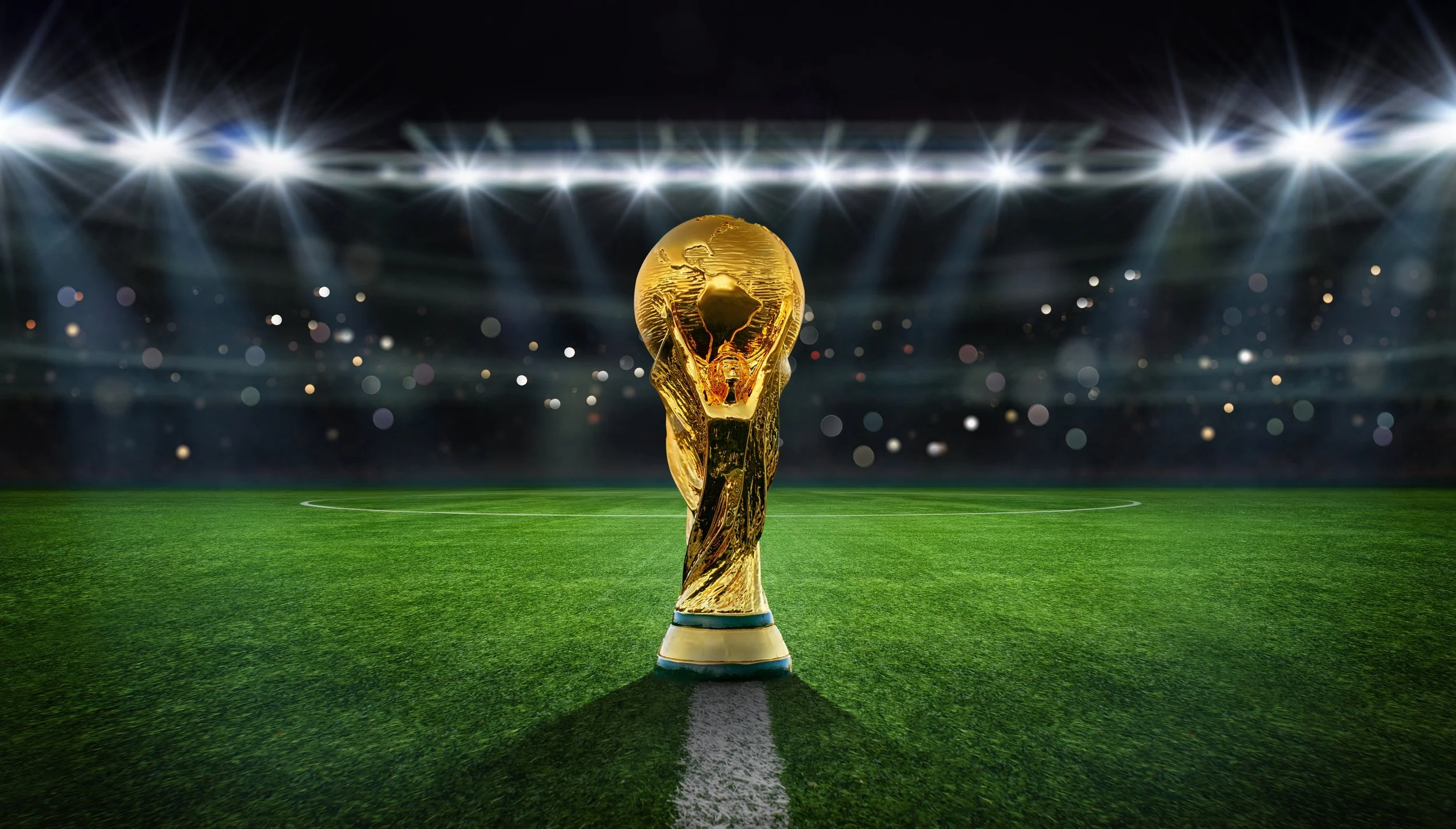
The 2026 FIFA World Cup is already positioned as one of the most widely anticipated sporting events in history, but its opening ceremonies signal something broader than the start of a tournament. They reflect how global sport has evolved into a shared cultural platform — where music, performance, identity, and media converge on a scale few other events can match.
Scheduled for June 11–12, 2026, the opening ceremonies will bring together a lineup of international artists including Katy Perry, LISA, Tyla, Future, and more, spanning pop, K-pop, Afrobeats, and hip-hop. The result is not just entertainment, but a curated reflection of how global audiences now consume culture: instantly, digitally, and across borders.
A Global Soundtrack for a Global Audience
The diversity of the lineup underscores a shift that has been building for years. Major international events are no longer defined by a single cultural centre. Instead, they are shaped by interconnected fan communities and streaming-era audiences who move fluidly between genres, languages, and regions.
K-pop’s global reach, Afrobeats’ rapid international rise, and hip-hop’s continued cultural influence sit alongside Western pop’s longstanding mainstream presence. Together, they form a soundtrack that mirrors the geography of modern fandom — decentralised, digital, and deeply interconnected.
In this context, the World Cup opening ceremony becomes more than a performance. It becomes a curated expression of global cultural exchange.
Where Sport Meets Entertainment Economy
The fusion of sport and entertainment is not new, but the scale has changed. The World Cup now operates as a hybrid event: part tournament, part media spectacle, part cultural export.
Opening ceremonies have become essential to that identity. They set the tone not only for the competition ahead, but for how the tournament is experienced globally — through broadcast, social media, and short-form digital content that travels far beyond the stadium.
This shift reflects a broader trend in global sport: events are no longer consumed only by attendees or traditional viewers, but by billions engaging through clips, commentary, and online communities in real time.
The Rise of Global Fan Networks
One of the defining features of modern cultural events is the role of fandom. Artists like LISA and Tyla bring highly active international fan communities that operate across platforms and time zones. Their presence at a FIFA stage reflects how these networks now influence the visibility and reach of global events.
Similarly, established global performers like Katy Perry and Future bridge generational and regional audiences, reinforcing the World Cup’s position as a shared cultural moment rather than a niche sporting occasion.
The result is a layered audience experience: fans are no longer just watching the event — they are participating in it, amplifying it, and reshaping its cultural footprint online.
A Cultural Moment Beyond the Pitch
What makes the 2026 World Cup opening ceremonies significant is not only the scale of the performances, but what they represent. They signal how international sport has become one of the few remaining spaces where global audiences still gather around a single shared moment.
In an increasingly fragmented media landscape, events like this function as cultural anchors — moments where sport, music, identity, and entertainment intersect in real time.
FIFA’s continued expansion of the World Cup experience reflects this reality. The tournament is no longer just about matches played on the pitch, but about the global narratives built around it.
A Shared Global Stage
As the opening ceremonies unfold on June 11–12, 2026, they will do more than launch a football tournament. They will showcase how deeply interconnected global culture has become — where a sporting event doubles as a music festival, a digital spectacle, and a worldwide conversation.
In that sense, the 2026 FIFA World Cup is not only a competition between national teams. It is a reflection of how the world now experiences culture together—simultaneously, across borders, and in real time.
To explore more stories like this, tune in to Global Trekker—a documentary channel dedicated to broadening your mind with art, food, nature, business, and technology insights from around the world. You can find out where to watch the channel at this link and read the new article every Wednesday.
Broaden your mind, open your heart, and inspire your soul with Global Trekker.Follow us: