
Ocean Champions: 2025’s Marine Marvels
The world’s oceans faced no shortage of challenges this 2025, from warming waters to mounting human pressure. Yet alongside these threats came remarkable signs of resilience. Across coastlines and deep seas, marine life showed an extraordinary capacity to recover when given space, protection, and time. These were the ocean champions of the year: the species and ecosystems that reminded us why the seas are still worth fighting for.
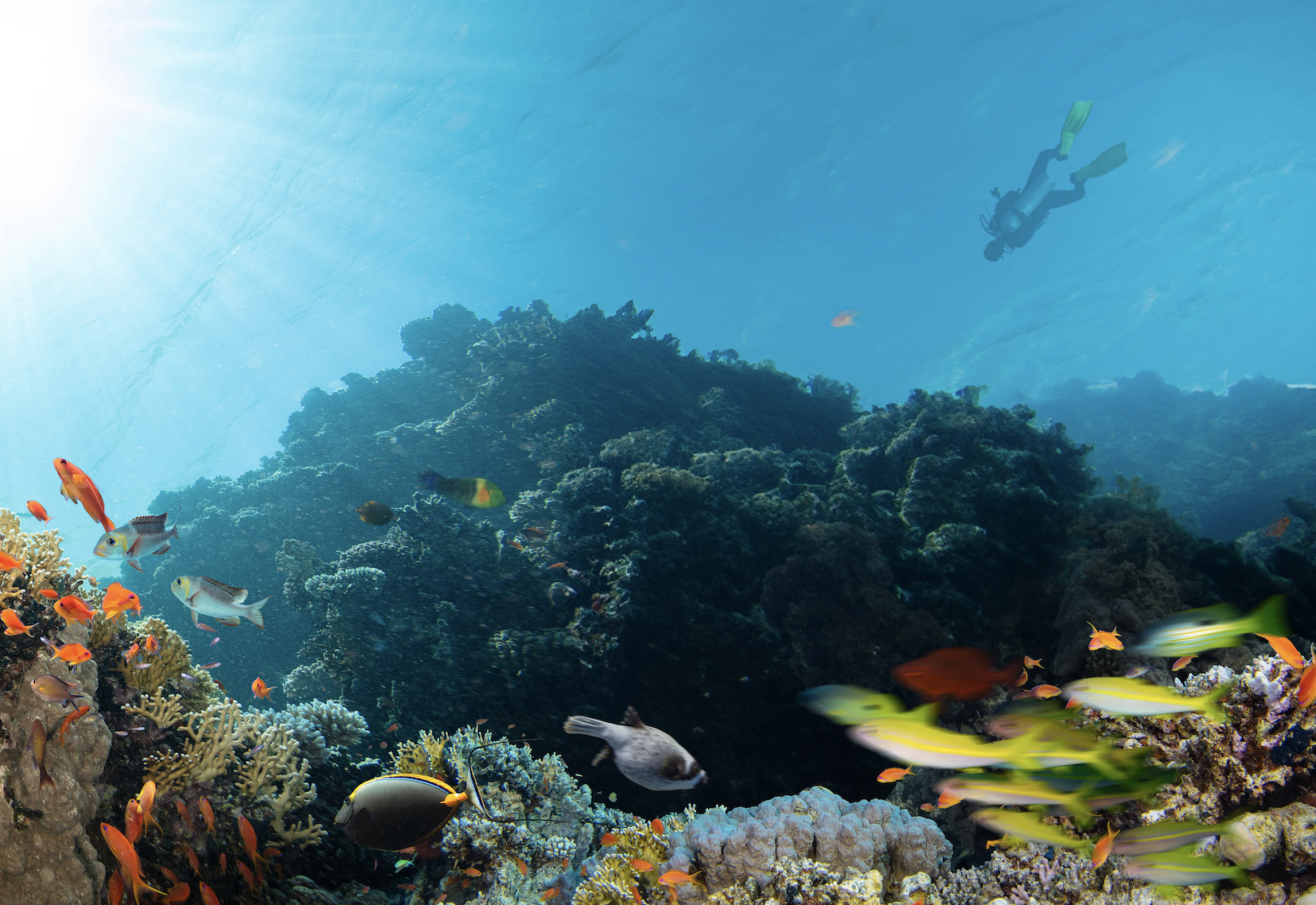
Coral Reefs That Refused to Fade
Coral reefs are often described as the rainforests of the sea, and for good reason. Supporting a quarter of all marine species, they are among the most diverse ecosystems on Earth. This year, scientists recorded encouraging signs of recovery in several reef systems following targeted conservation efforts. In places such as the Maldives, parts of the Caribbean, and the Pacific Islands, improved water quality, reduced fishing pressure, and coral gardening projects helped young corals take hold, even in regions previously affected by bleaching. While global reef decline remains a serious concern, these rebounds demonstrated that local action can make a measurable difference.
Whales Making a Quiet Comeback
Once driven to the brink of extinction by industrial-scale commercial whaling, several whale species continued their slow but steady recovery this year. Humpback and blue whale populations showed signs of stabilisation or gradual growth in parts of the Pacific and Southern Oceans, reflecting decades of international protection finally taking effect. Measures such as ship-speed regulations, designated migration corridors, and improved acoustic monitoring helped reduce fatal collisions and underwater noise, allowing whales to feed, travel, and breed with fewer disruptions.
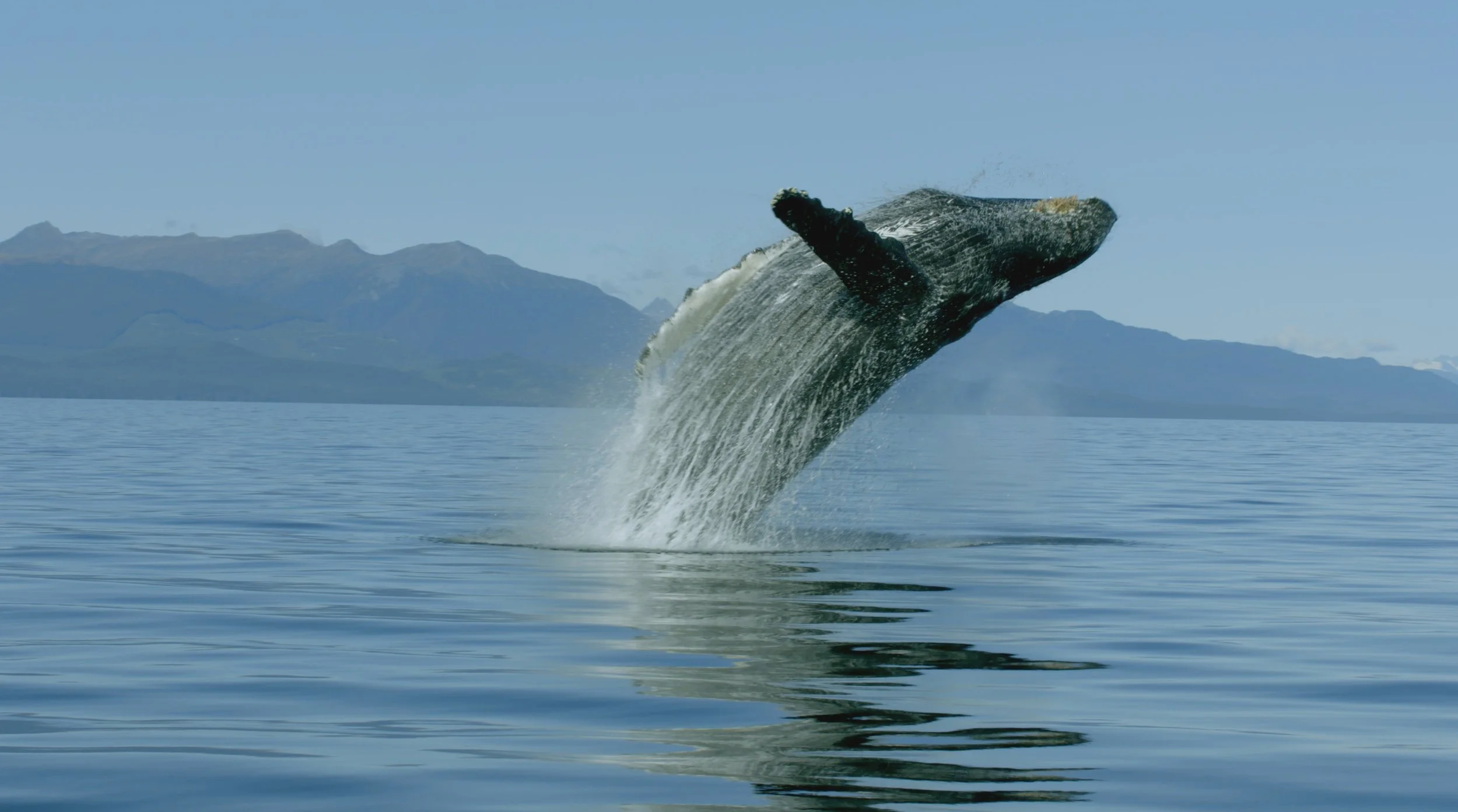
Beyond population counts, the return of whales carries wider ecological significance. By feeding at depth and releasing nutrient-rich waste near the surface, whales stimulate plankton growth, which supports marine food chains and enhances the ocean’s capacity to absorb carbon. Their recovery is not just a conservation success, but a reminder that restoring large marine species can help rebalance entire ocean systems.
Seagrass Meadows on the Mend
Often overlooked, seagrass meadows are among the ocean’s most powerful climate allies. They store carbon efficiently, stabilise coastlines, and provide nurseries for countless species. This year saw renewed restoration efforts across Europe, Australia, and Southeast Asia, with replanting projects showing promising survival rates.
As awareness grows around blue carbon ecosystems, seagrass is finally gaining recognition as a quiet but essential marine champion.
Sea Turtles Defying the Odds
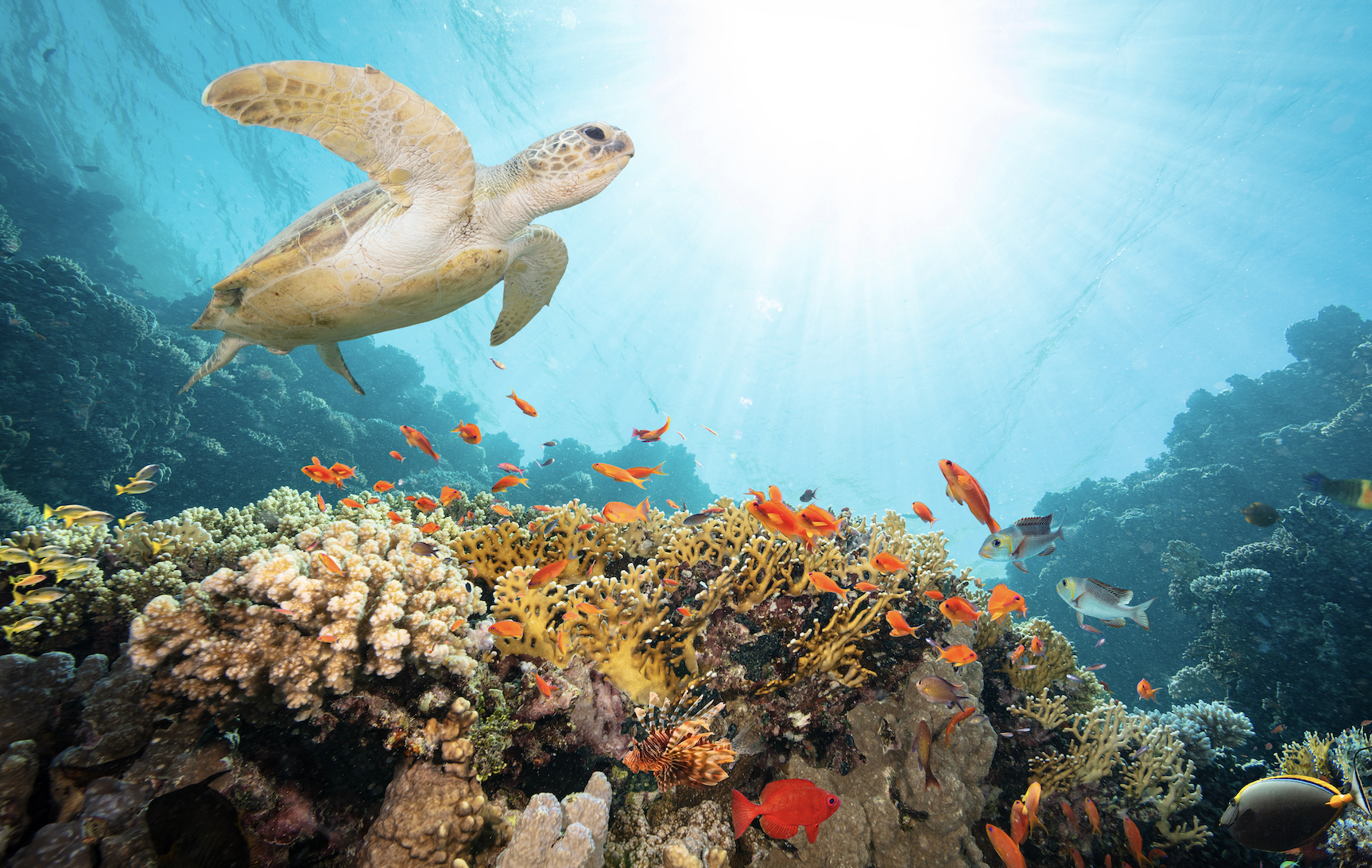
Sea turtles continued to offer one of the most heartening conservation stories of the year. Nesting numbers rose on several protected beaches, thanks to long-term monitoring, community involvement, and stricter controls on coastal development. Hatchling success rates improved where artificial lighting was reduced and predators were managed carefully.
Their survival remains fragile, but each successful nesting season signals progress built on decades of persistence.
Marine Protected Areas Proving Their Worth
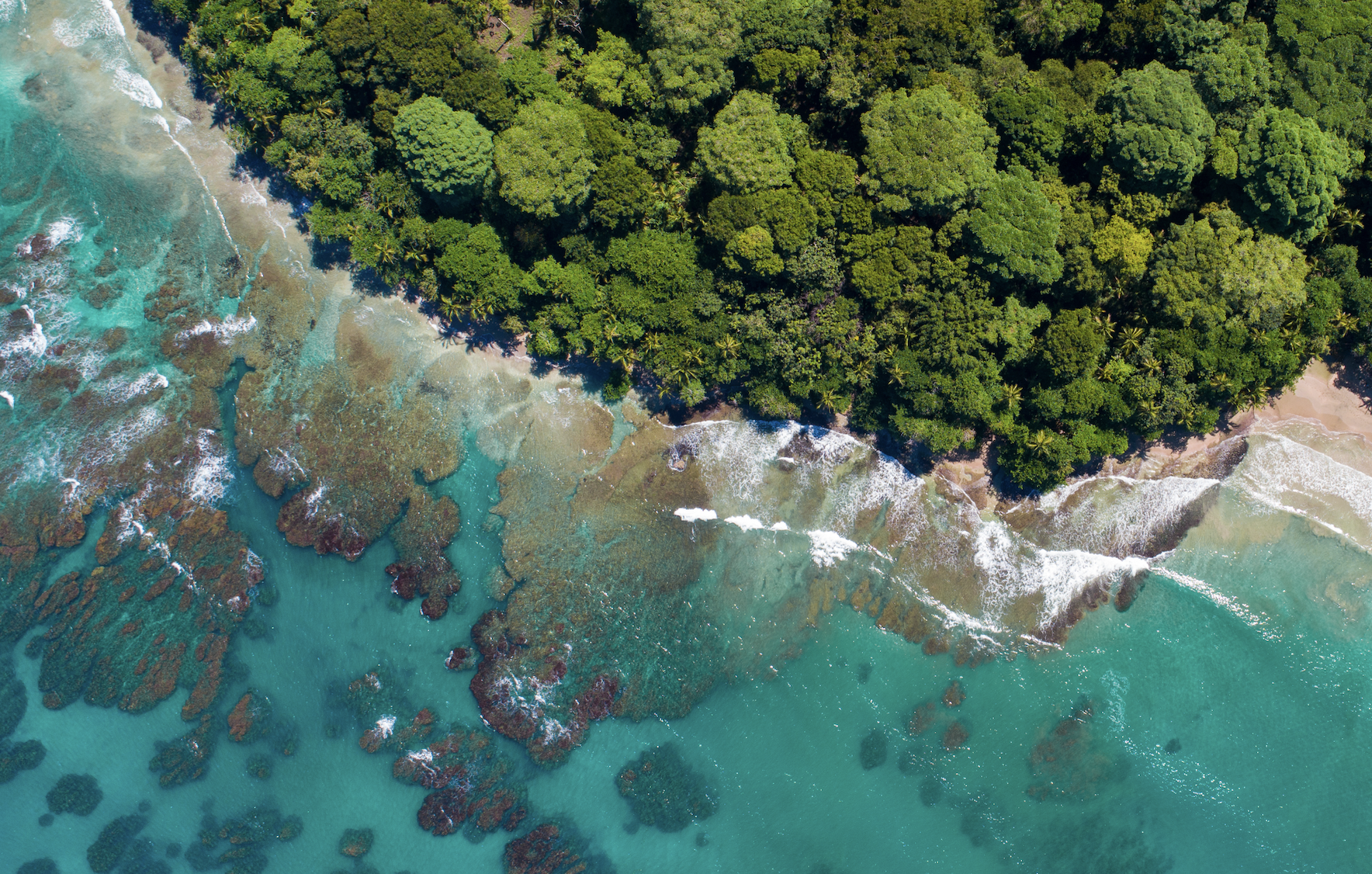
Perhaps the most significant champion of all was not a single species, but a strategy. Expanded marine protected areas continued to deliver clear, measurable results, with fish biomass increasing and damaged habitats regenerating within fully protected no-take zones. In these areas, marine life was able to mature, reproduce, and restore natural food webs without the pressures of fishing, dredging, or coastal development.
Over time, these protected waters acted as vital sanctuaries. Larger, more abundant fish populations strengthened reef and seabed ecosystems, while the so-called spillover effect allowed fish and larvae to move into surrounding waters, supporting nearby fisheries rather than competing with them. As monitoring data accumulates across regions, the conclusion has become increasingly clear: when protection is well enforced and sustained, marine ecosystems recover faster and more fully.
The growing body of evidence reinforces a simple but powerful lesson that when the ocean is given space to breathe, it has an extraordinary capacity to heal itself.
What the Ocean’s Recovery Reveals
These marine marvels do not suggest the ocean is out of danger. Rather, they underline a crucial truth that recovery is possible. The year’s successes were not accidents, but the result of science, policy, and community action working together.
In a time when environmental news often feels overwhelming, the ocean’s champions offered something rare and valuable: proof that resilience still exists beneath the waves, and that our choices can shape the future of the seas.
Journey through the natural world with documentaries that explore wildlife, conservation, and the forces shaping life on Earth on Global Trekker.
Explore weekly articles on Personality & Art, Science & Technology, Business, Destination & Food, or Nature & Environment on this space.
Broaden your mind, open your heart, and inspire your soul with Global Trekker.Follow us: