Why Honey Bees Matter
Celebrating the Buzz and the Bees
World Honey Bee Day celebrates honey bees while drawing attention to the wider importance of pollinators. Held on the third Saturday of August of each year, the observance highlights the role these small but important environmental workers play in nature and food systems.
From tropical forests and agricultural landscapes to gardens in some of the world's busiest cities, bees help connect ecosystems and food systems. Their work is easy to overlook, yet the consequences of losing healthy pollinator populations could be far-reaching.
The Essential Work of Bees
More Than Honey
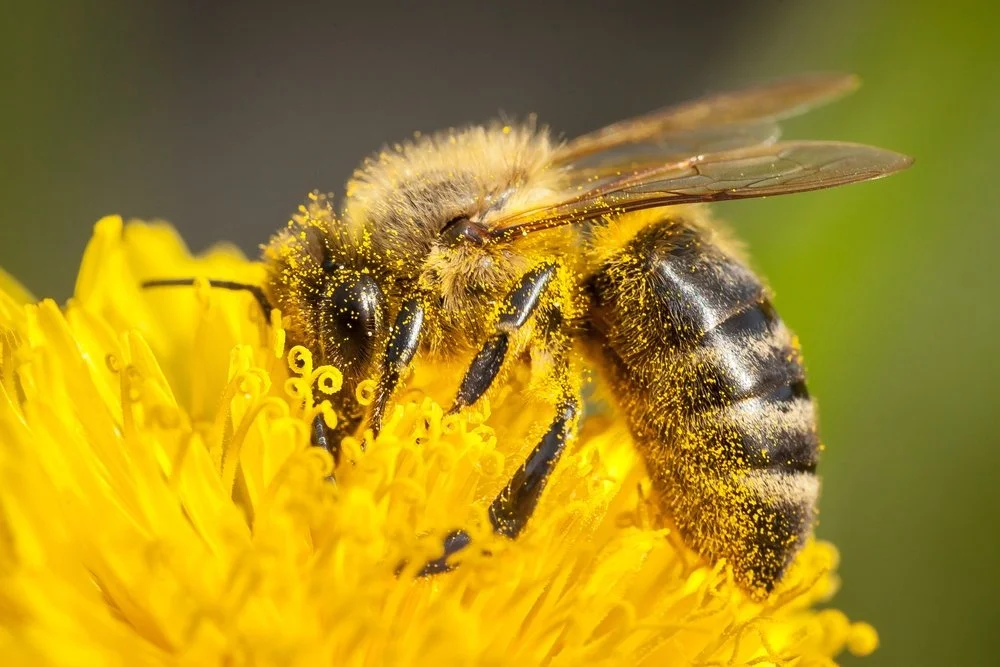
Honey bees are valued for honey and beeswax, but their greatest contribution happens among flowers. As bees collect nectar and pollen, they transfer pollen between flowers, enabling plants to produce fruits and seeds.
The Food and Agriculture Organization of the United Nations notes that around three-quarters of the world's most productive crop plants depend, at least partly, on pollinators. Bees, birds, bats and other pollinating animals therefore play an important role in food production, biodiversity and human livelihoods.
Pollination is equally important beyond farmland. Healthy bee populations help sustain wild plants, which in turn provide food and habitat for countless other species.
A Southeast Asian Perspective
Southeast Asia is home to an extraordinary diversity of bees, including honey bees, solitary bees and stingless bees. According to Singapore's National Parks Board, around 70% of native flora in Southeast Asian lowland forests depends on bee pollination.
The region's stingless bees, known in parts of Southeast Asia as kelulut, offer a fascinating example. Tiny and lacking a functional stinger, these social bees are important pollinators of tropical plants and are also valued for their distinctive honey. Their presence demonstrates how pollinator conservation can support both ecological and cultural traditions.
The Challenges Facing Pollinators
Protecting Fragile Ecosystems
Bees face a range of pressures, including habitat loss, changes in land use, pesticides, climate change and declining floral resources. These challenges can affect wild bees as well as managed honey bee colonies.
Protecting pollinators therefore means protecting the landscapes they depend upon. Flower-rich habitats, native vegetation and sustainable agricultural practices can provide food and nesting opportunities while helping ecosystems remain resilient.
Small Actions, Lasting Impact
Making Space for Bees
You do not need to be a beekeeper to help. Planting nectar- and pollen-rich flowers, choosing native plants where appropriate and reducing unnecessary pesticide use can make gardens more welcoming to pollinators. The National Parks Board's pollinator guidance also recommends maintaining flowers throughout the year to provide a consistent food supply.
Most importantly, bees should be observed rather than disturbed. A bee visiting a flower is performing essential ecological work. Giving it space is often the simplest way to appreciate it.
A Global Trekker Reminder
More than a celebration of honey, the occasion is an invitation to look closer at the natural systems that quietly sustain our world.
From Southeast Asia's tropical forests to farms, gardens and urban green spaces worldwide, every flowering landscape can become part of the solution. The message is simple: when we protect bees and other pollinators, we protect biodiversity, food security and the living environments we all depend upon.
For Global Trekker, that is where the real journey begins, by discovering how small actions can create a lasting impact on our planet.
Stay tuned for more stories from our Nature & Environment topics, where we continue to explore the intricate relationship between human culture and nature conservation.
Broaden your mind, open your heart, and inspire your soul with Global Trekker.Follow us: