Digging Up the Weather: How Dinosaur Fossils Help Predict Our Climate Future
When you think of dinosaur fossils, your mind probably goes to towering T. rexes or long-necked sauropods—not weather forecasts. But believe it or not, those ancient bones and the rocks surrounding them are offering scientists vital clues about our planet’s climate past—and future.
Today, palaeontologists—scientists who study the fossil record to understand ancient life and environments—are teaming up with climate scientists to reconstruct prehistoric climate systems, and it turns out that the age of the dinosaurs holds more than just Hollywood-level drama. It holds answers to how Earth’s climate behaves over millions of years—and what might lie ahead.
Fossils: More Than Just Bones
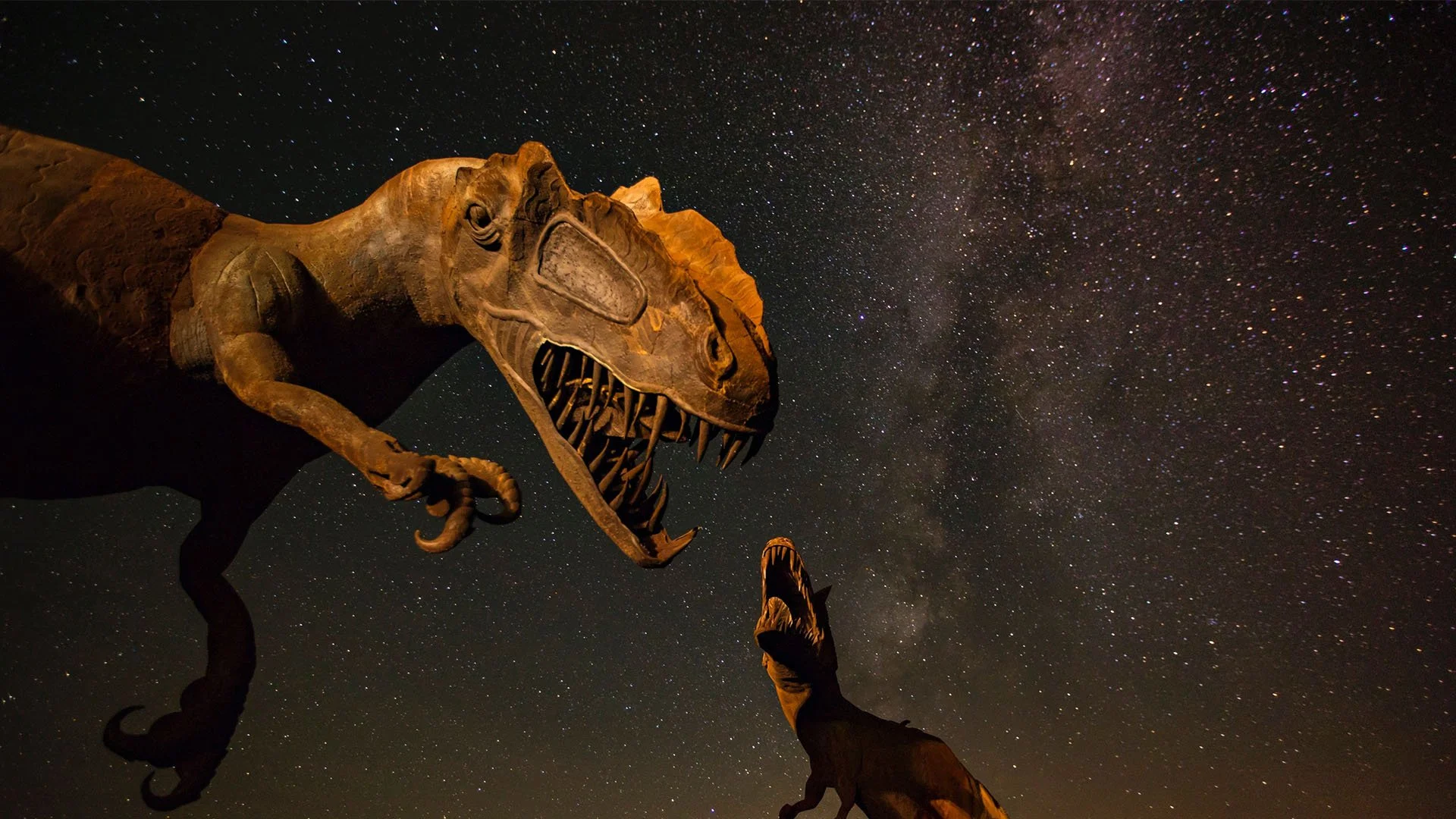
Dinosaur fossils don’t just tell us what creatures looked like or how they lived; they also carry a hidden record of the environment they lived in. For example, the types of plants preserved alongside fossils, or the oxygen and carbon isotopes found in ancient teeth and shells, can reveal past temperatures, rainfall patterns, and even carbon dioxide (CO₂) levels in the atmosphere.
Imagine being able to read the weather report from 100 million years ago. That’s exactly what scientists are doing—by examining everything from the texture of fossilised leaves to the chemistry of ancient soils.
Reconstructing a Lost World
What kind of climate characterised the age of the dinosaurs? Geological and palaeontological evidence indicates that the Mesozoic Era (approximately 252 to 66 million years ago) was generally much warmer than the present day. There were no permanent polar ice caps, and warm, humid conditions extended into what are now high-latitude regions.
Fossilised remains of subtropical plants, such as palms, as well as reptilian fauna including crocodilian species, have been discovered in areas such as Arctic Canada—suggesting that these regions once experienced significantly milder climates than they do today.
These findings provide critical data for reconstructing ancient climate systems. By integrating fossil evidence with geochemical and sedimentological records, scientists are able to refine models of past climate dynamics. These reconstructions, in turn, contribute to improved projections of future climate trends by offering insight into how Earth’s systems respond to elevated greenhouse gas levels over geological timescales.
Why the Past Matters Today
Understanding the climate during the age of the dinosaurs is more than a matter of curiosity—it provides a valuable window into how Earth’s systems respond to elevated greenhouse gas levels. By studying periods in the deep past when atmospheric CO₂ concentrations were significantly higher than today, scientists can observe how these conditions influenced global temperatures, sea levels, and weather patterns.
For instance, geological and fossil evidence from the Mesozoic Era indicates that high CO₂ levels were associated with much warmer global temperatures, minimal polar ice, and elevated sea levels. These past climate states are not direct analogues for today’s world but offer critical data points that help researchers improve the accuracy of climate models used to project future changes. These models play a key role in informing policy decisions, risk assessments, and long-term planning strategies related to climate adaptation and mitigation.
A Fossil Forecast
This collaboration between palaeontology and climate science is like building a time machine. By travelling back in time, we’re getting a clearer view of where we might be headed. It’s not just about what dinosaurs can teach us—it’s about how the world worked when they were alive, and how it might work again under similar conditions.
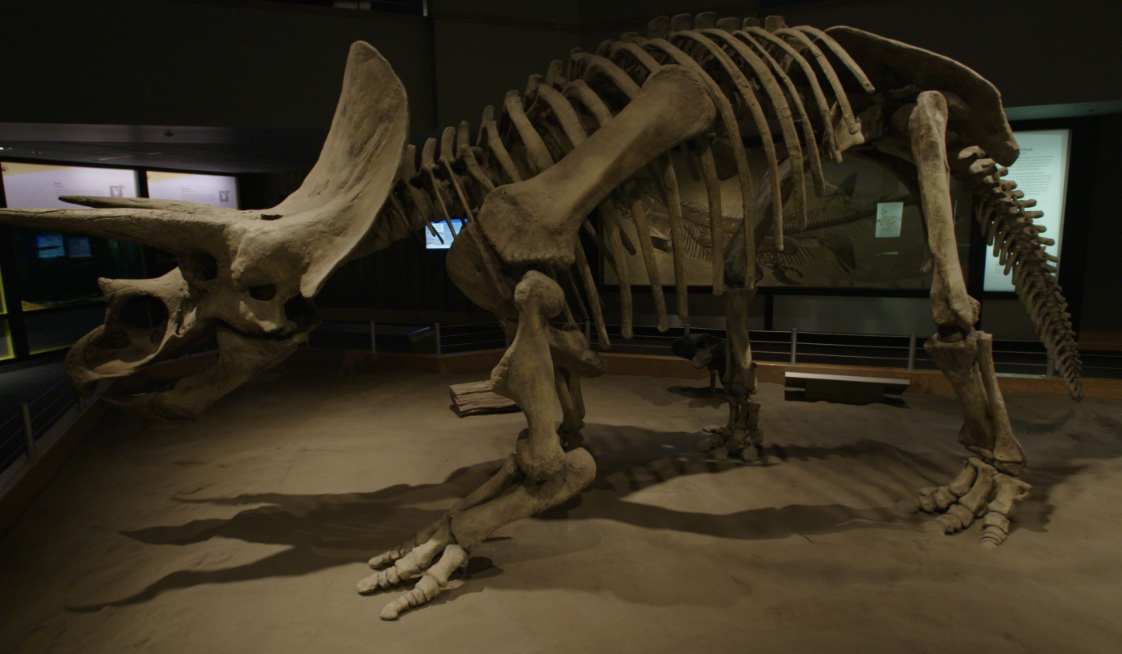
So next time you see a dinosaur fossil in a museum, think beyond the roar and claws. Hidden in those ancient remains is a story about the sky, the rain, the heat—and perhaps, our future.
This August, Global Trekker is all about The Extinct Giants. From ancient mysteries to blockbuster adventures, explore how dinosaurs ruled the Earth—and what they can still teach us today. Watch captivating documentaries like The Dinosaur Echo, Dinosaur Cold Case, and Oceans Africa: The Hunt for the Living Dinosaur. Plus, revisit the legendary worlds of Jurassic Park and Jurassic World for a cinematic dive into prehistoric life reimagined.
Visit the ‘Where to Watch’ page for local listings, and explore weekly articles on Personality & Art, Science & Technology, Business, Destination & Food, or Nature & Environment on this space.
Broaden your mind, open your heart, and inspire your soul with Global Trekker.Follow us: