
Behind the Plastic: Lessons in Power, Partnership & Reinvention from Barbie
Since her debut in 1959, Barbie has been a fixture in toy boxes around the world. With her bright smile, endless wardrobe, and ever-changing careers, she’s often seen as a symbol of fashion, femininity, and fantasy. But behind the plastic exterior lies a more complex story—one that reflects broader cultural shifts and offers surprising insights into creativity, resilience, and reinvention.
Far from being a passive figure, Barbie has adapted across decades of social change, criticism, and reinvention. Her story, though rooted in a toy, mirrors some of the real challenges individuals and brands face today: how to remain relevant, how to respond to cultural pressures, and how to embrace change without losing core identity.
A Radical Start Disguised as a Doll
Barbie was created by Ruth Handler, co-founder of the toy company Mattel, at a time when most dolls available to young girls were babies. Handler noticed that her daughter preferred to play with paper dolls that looked like adults. This led to the idea of Barbie—a doll that allowed girls to imagine the future, rather than practise motherhood.
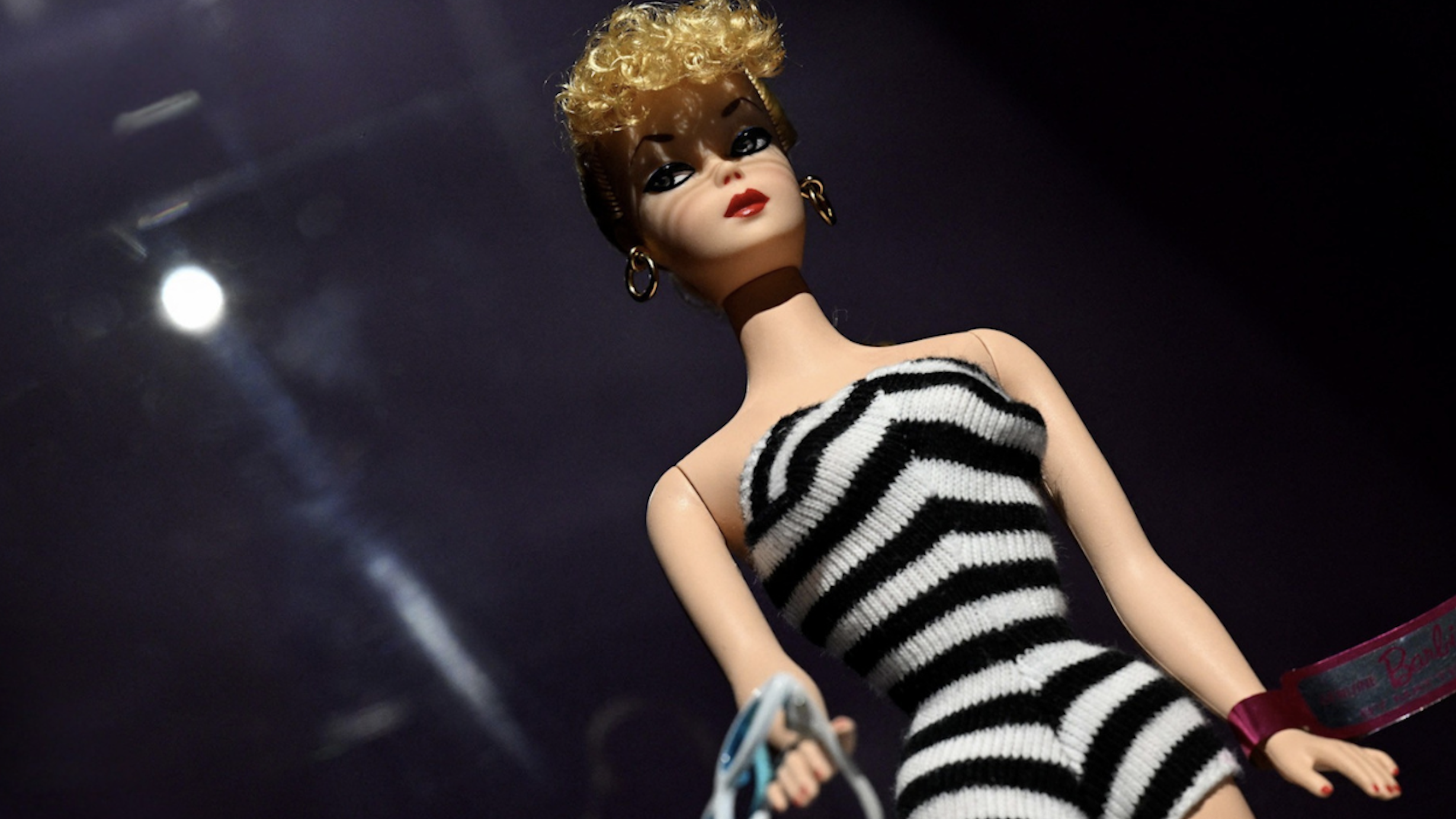
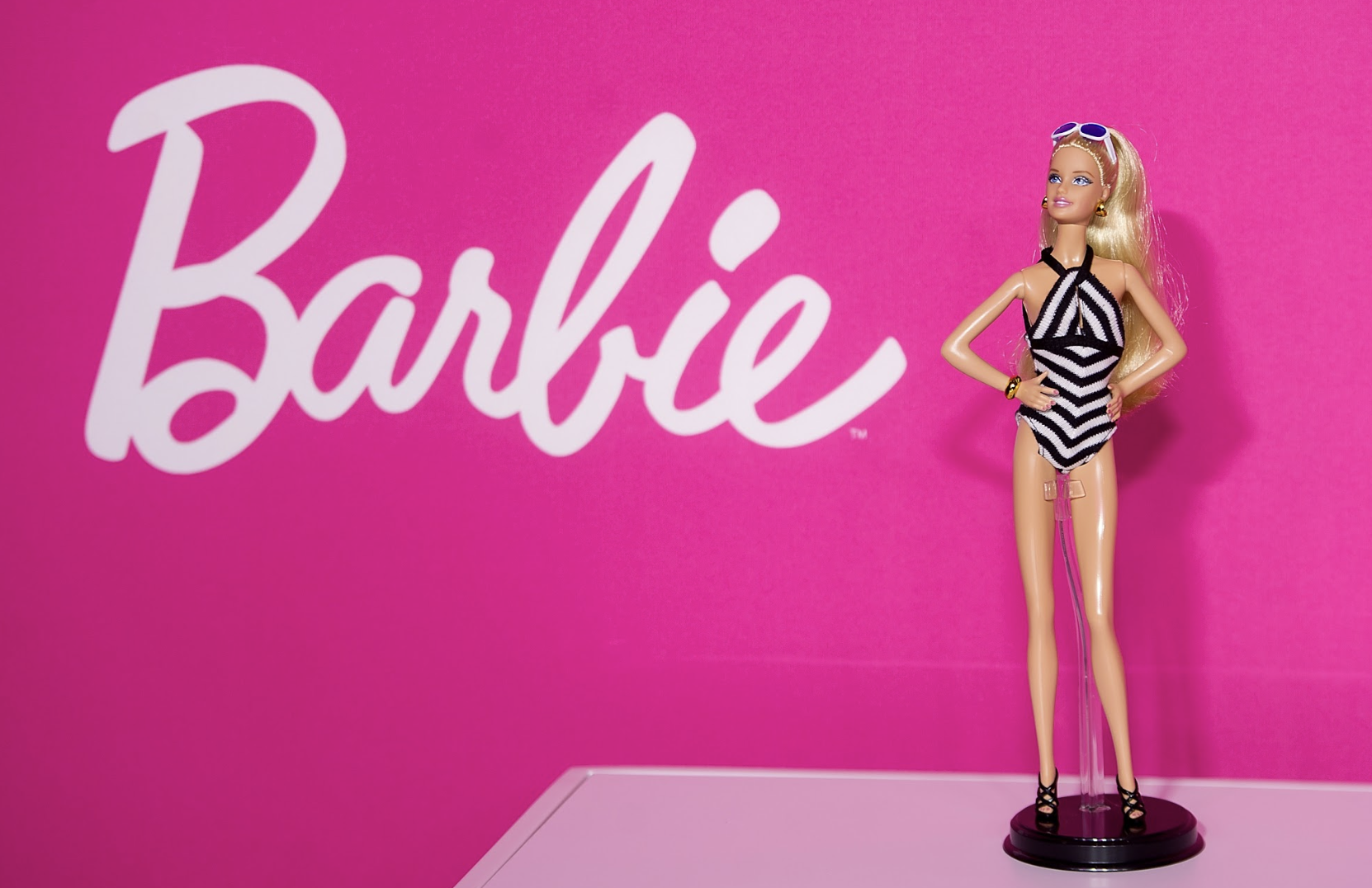
The first Barbie, launched in 1959, wore a black-and-white striped swimsuit and sunglasses. More importantly, she stood alone—unlike the majority of dolls at the time, she was not a baby to be looked after, but an independent woman. In her earliest form, Barbie was marketed as a teenage fashion model, but the foundation was laid for something larger: a toy that could evolve alongside women’s roles in society.
Power Through Imagination
From the beginning, Barbie has offered children something unique: a way to imagine the future. Unlike traditional baby dolls, which centred on caregiving and domestic play, Barbie represented independence and possibility. She wasn't someone to look after—she was someone to become.
Over the decades, Barbie has taken on more than 180 careers, from astronaut to surgeon, firefighter to film director, computer engineer to presidential candidate. Often, she stepped into these roles ahead of the real-world curve—long before women were widely represented in such professions.
This versatility has made Barbie more than just a toy; she’s a storytelling device. Through Barbie, children can explore different lives, roles, and ambitions, reshaping the world around them through play. Her many versions invite open-ended narratives—where a doll might be a pilot one day and a marine biologist the next.
While her appearance may be iconic, Barbie can adapt to new stories, settings, and careers that have helped her endure. She permits children not only to dream, but to lead.
Listening, Learning, and Evolving
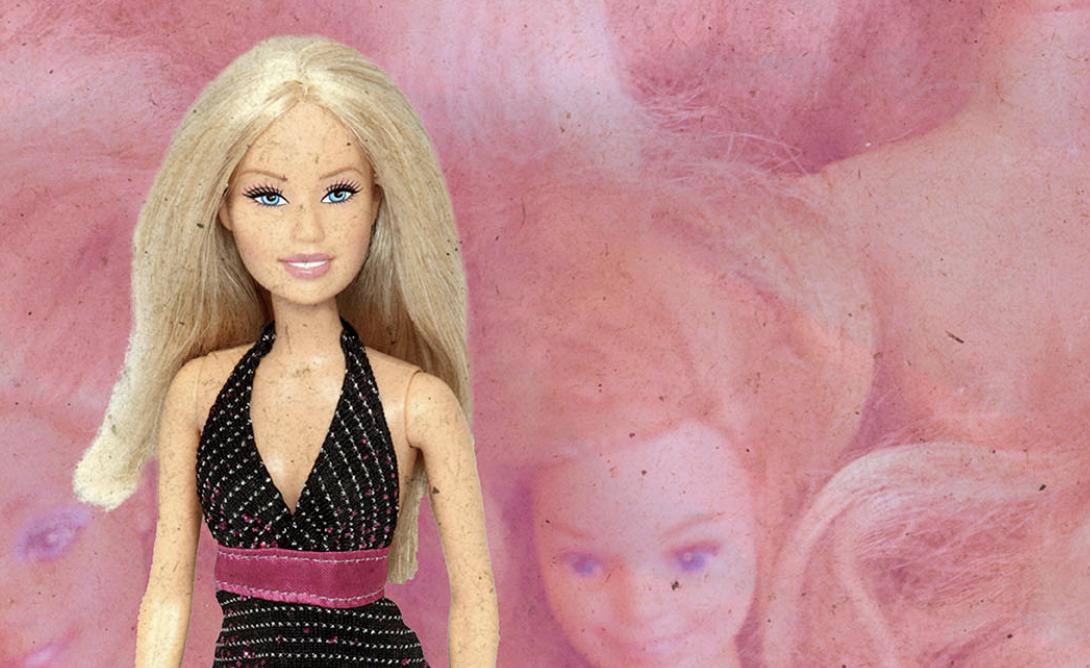
For much of her history, Barbie represented a narrow version of beauty and femininity—slim, white, able-bodied, and conventionally attractive. These characteristics became a flashpoint for criticism, especially in the 1990s and early 2000s, when concerns about body image, gender stereotypes, and lack of representation grew louder.
To its credit, Mattel didn’t ignore the critics. While change was slow at first, the company eventually acknowledged that to stay relevant—and responsible—it had to do more than update Barbie’s outfits or job titles. It needed to reflect the real-world children are in.
In 2016, Mattel started introducing Barbie dolls in a variety of body shapes—curvy, petite, and tall—as well as a broader range of skin tones, facial features, and hair textures. In the years that followed, the line expanded further to include Barbie dolls with vitiligo, prosthetic limbs, hearing aids, and those who use wheelchairs. The brand also introduced Barbies representing different nationalities and cultural backgrounds, offering dolls inspired by countries around the world, complete with traditional attire and culturally relevant design elements. These changes reflected a growing recognition that Barbie should represent not just one ideal, but many stories and identities across the globe.
This shift wasn’t just about inclusivity for the sake of optics—it was a strategic and creative reinvention of the brand. By actively listening to feedback and acting on it, Mattel transformed Barbie from a dated icon into a more progressive, responsive, and culturally aware figure.
Importantly, these changes also expanded Barbie’s storytelling potential. Children could now play with dolls that looked more like themselves—or like the people in their communities. Diversity was no longer a side feature; it became a central part of what Barbie represented.
Partnership Beyond Ken
While Barbie’s most recognisable partnership may be with Ken, her real-world success has been shaped by a far broader and more meaningful network of collaborators. Behind the scenes, the Barbie brand has thrived thanks to strategic partnerships—between designers, marketers, researchers, storytellers, and cultural consultants—all working together to keep her relevant across generations.
Barbie’s evolution has never been the result of one voice alone. Her continued presence in popular culture is the outcome of a collective effort to understand shifting trends, audience expectations, and market demands. From product innovation and media content to digital platforms and global marketing, the brand’s development has relied on input from both creative minds and commercial strategists.
Even collaborations with external partners—such as fashion houses, artists, and film studios—have played a role in extending Barbie’s reach. These partnerships have helped position her not just as a toy but as a pop culture figure capable of evolving with the times.
This approach reflects a broader lesson: meaningful progress often comes through collaboration. Barbie’s journey shows successful reinvention doesn’t happen in isolation—it’s the result of listening, adapting, and working with others to shape something that resonates beyond its original form.
Reinvention and Resilience
By the 2010s, Barbie was facing a decline in relevance. Sales had dropped, and the brand was increasingly out of step with modern values. In response, Mattel launched a significant rebranding exercise in 2016. This included introducing new body shapes—curvy, petite, and tall—as well as broadening career paths and making greater efforts at inclusion.
Then came the 2023 Barbie film, directed by Greta Gerwig. Rather than shy away from past criticisms, the film addressed them head-on. It portrayed Barbie as a character navigating the tension between perfection and purpose. It was a turning point—taking a legacy brand and reframing it for a new era.
The film’s success showed that even a product as iconic as Barbie can evolve—when it’s willing to confront its own contradictions. Reinvention, it turns out, doesn’t require abandoning the past. It requires being honest about it.

Lessons from the Dreamhouse
Barbie’s story is not just about a doll—it’s about how ideas, brands, and individuals can remain resilient in the face of change. Her journey reflects the power of reinvention, the importance of diverse partnerships, and the role of imagination in shaping the future.
One of the most valuable lessons Barbie offers is the importance of listening—particularly to criticism. Rather than ignore public feedback, the brand has, over time, acknowledged its shortcomings and used them as a starting point for growth. That willingness to evolve—to respond thoughtfully and creatively to changing expectations—is something both organisations and individuals can learn from.
While the plastic may be shiny and the smile perfectly sculpted, Barbie’s legacy is far more substantial. She reminds us that staying relevant means more than keeping up appearances—it means being willing to grow, adapt, and respond to the world as it is.
Global Trekker goes beyond the plastic to explore one of the world’s most iconic—and evolving—figures. Discover the untold story behind the doll that became a global phenomenon in the documentary: Barbie Uncovered: A Dream House Divided. From cultural icon to lightning rod for debate, this revealing documentary traces Barbie’s journey through decades of ambition, reinvention, and controversy.
Visit the ‘Where to Watch’ page for local listings, and explore weekly articles on Personality & Art, Science & Technology, Business, Destination & Food, or Nature & Environment on this space.
Broaden your mind, open your heart, and inspire your soul with Global Trekker.Follow us: