
The Sound of Success: Five Music Icons, Five Paths
Success in music is often measured in sales, awards, and stadium tours. Yet longevity at the highest level tells a different story. For some artists, success is reinvention. For others, it is consistency, discipline, or resilience in the face of personal challenge.
Sting, Carrie Underwood, Whitney Houston, Mariah Carey, and Celine Dion represent five distinct eras and five distinct approaches to fame. Each has achieved commercial triumph. More interestingly, each has defined success in markedly different ways beyond the spotlight.

Sting: Reinvention as Endurance
From fronting The Police to building a solo career that traversed rock, jazz, classical and global influences, Sting’s trajectory has been defined by evolution. Rather than remain anchored to the sound that made him famous in the late 1970s and early 1980s, he repeatedly shifted direction.
His 1985 solo debut The Dream of the Blue Turtles marked a deliberate pivot, incorporating jazz musicians such as Branford Marsalis and signalling a move away from the concise rock structures of his former band. Subsequent releases, including Nothing Like the Sun and Brand New Day, expanded his sonic range further, blending introspective songwriting with broader world influences.
Reinvention extended beyond recording. With The Last Ship, Sting brought his storytelling to Broadway, drawing on his upbringing in Newcastle, while his Renaissance lute collaborations with Edin Karamazov underscored a willingness to step outside mainstream expectations entirely.
His success lies not in chart dominance alone, but in sustained artistic autonomy. For Sting, longevity has come through reinvention; by remaining relevant not by repetition, but by curiosity.

Carrie Underwood: Discipline as Stability
Emerging from American Idol in 2005, Carrie Underwood entered an industry known for rapid turnover. Two decades later, she remains one of country music’s most consistent performers, a result less of reinvention than of sustained discipline.
Her debut album Some Hearts established a strong commercial foundation, and subsequent releases such as Carnival Ride and Blown Away reinforced her position without straying dramatically from her core identity. Rather than pivot genres, Underwood refined her strengths: powerful live vocals, emotionally direct songwriting, and polished stage production.
Her long-running Las Vegas residency further signalled strategic career management — leveraging catalogue strength while maintaining vocal standards in a controlled environment. Away from the stage, her public image has remained measured and largely controversy-free, reinforcing trust within a genre that prizes relatability.
Underwood’s version of success is stability and not constant transformation, but sustained excellence. In an industry often driven by reinvention, her endurance demonstrates the value of consistency, preparation, and control.
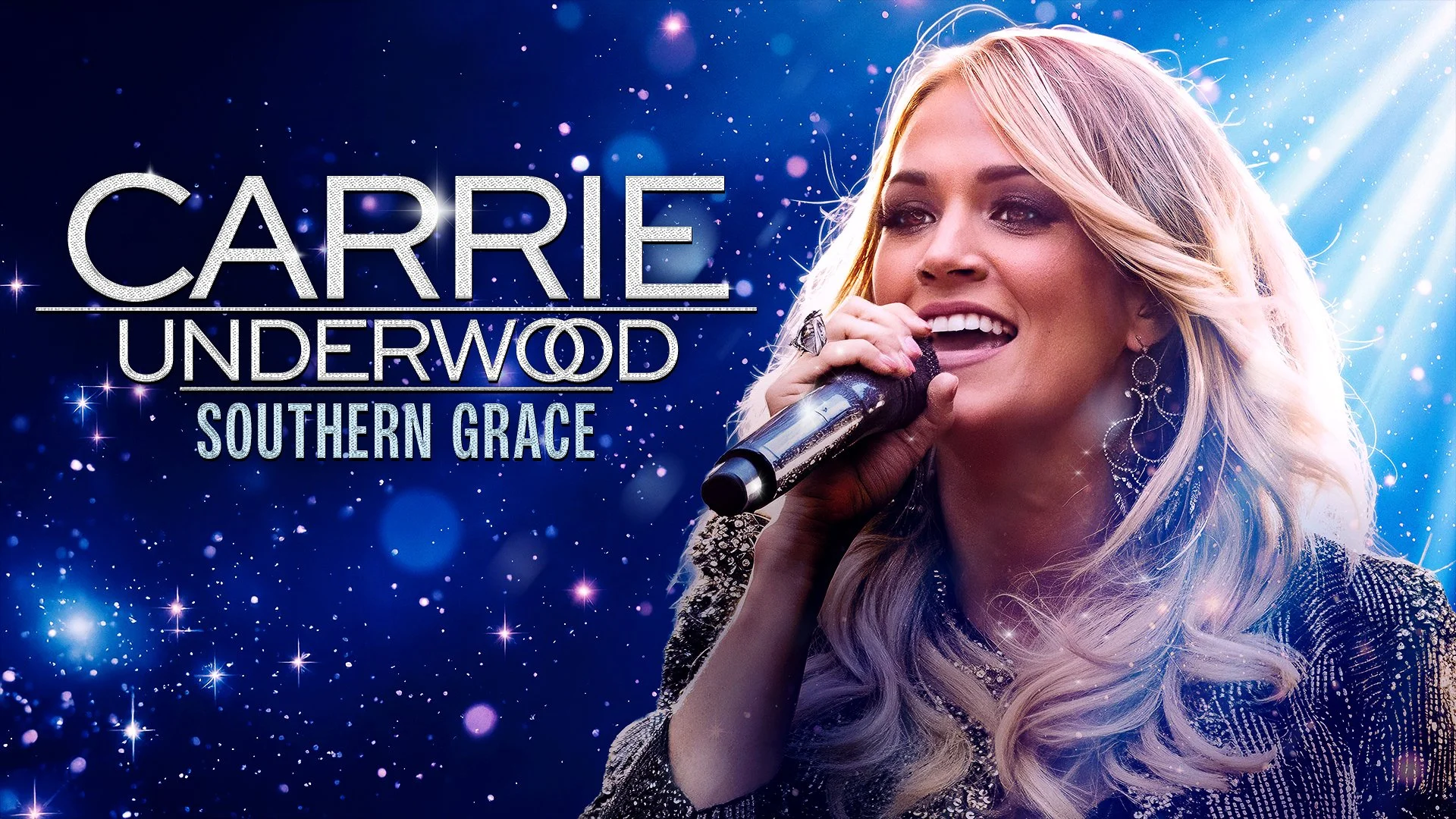
Whitney Houston: Legacy Beyond the Voice
Few artists have altered the expectations of contemporary vocal performance as profoundly as Whitney Houston. From her 1985 debut album to the global success of The Bodyguard soundtrack, Houston combined technical precision with emotional clarity, reshaping pop and R&B standards for an entire generation.
Songs such as “I Will Always Love You” demonstrated not only vocal range, but control. Her use of restraint, dynamic build, and phrasing became a blueprint for modern ballad interpretation. Commercially, she achieved unprecedented milestones: multi-platinum albums, crossover appeal across genres, and global touring dominance. For a period, she represented the industry’s ideal of vocal perfection.
Yet Houston’s career also revealed the fragility beneath extraordinary visibility. Public scrutiny intensified alongside personal struggles, and her later years were marked by challenges that complicated the narrative of uninterrupted success. In retrospect, this tension underscores a broader truth: commercial triumph does not insulate against vulnerability.
What endures is influence. Countless vocalists across pop, gospel and R&B continue to echo her stylistic imprint, from melismatic phrasing to controlled crescendos. Her impact extends beyond charts into technique and cultural memory.
For Houston, success ultimately transcends duration. It resides in legacy, in the enduring standard she set, and in the generations of artists who continue to measure themselves against her voice.
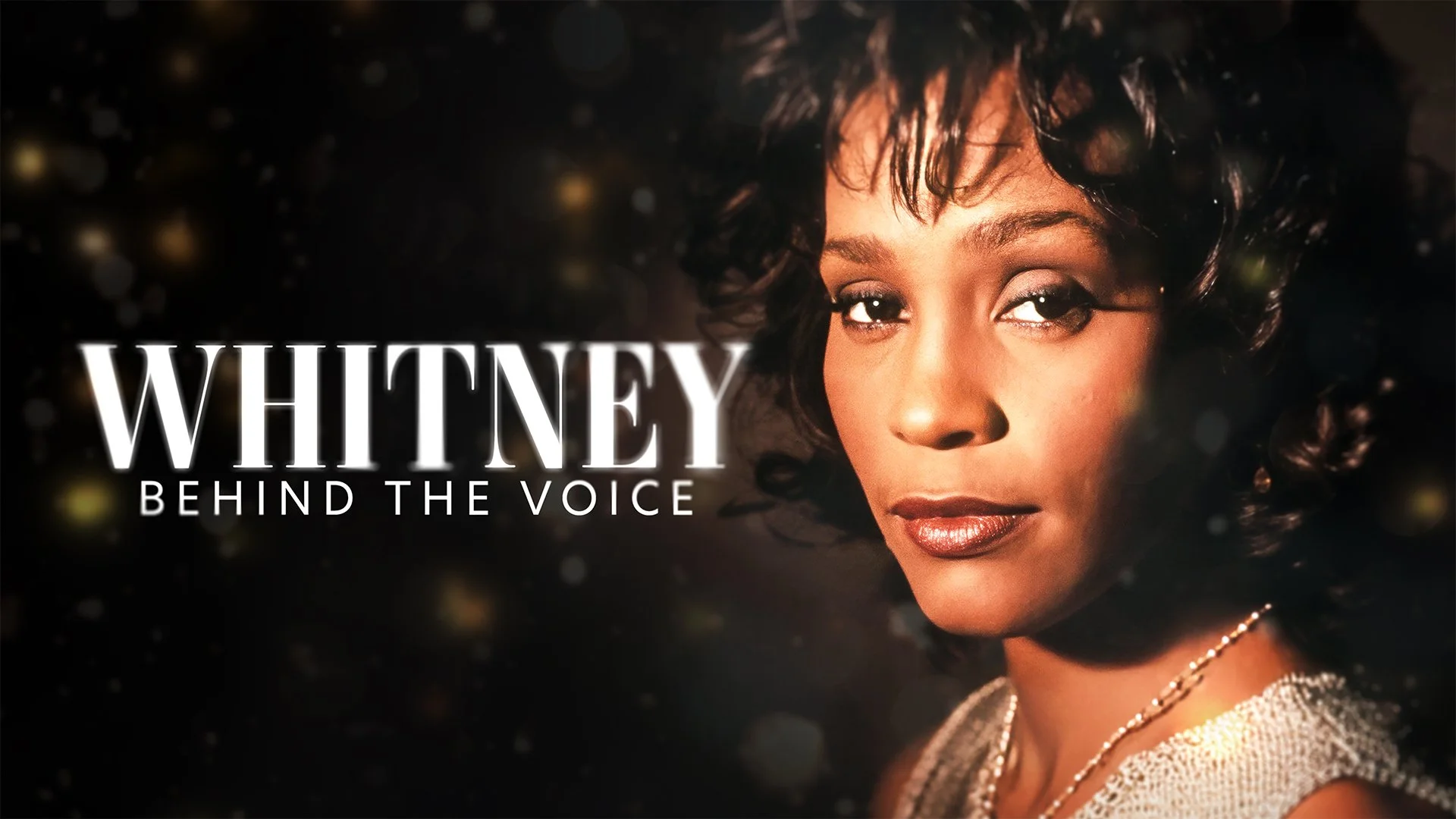
Mariah Carey: Reinvention Within Identity
Mariah Carey’s career is defined by adaptability without the loss of a recognisable core. Emerging in 1990 as a technically formidable balladeer, she quickly dominated adult contemporary and pop charts with vocal-driven performances that showcased her five-octave range.
By the mid-to-late 1990s, Carey pivoted strategically. Albums such as Butterfly and Rainbow embraced hip-hop and R&B collaborations at a time when genre lines were still rigid. Working with producers and artists from outside the traditional pop sphere, she helped mainstream the pop–hip-hop crossover that would define much of 2000s radio. The shift was not a reinvention of voice, but of positioning and aligning herself with evolving cultural currents while retaining her signature melismatic style.
Her long-term success also reflects an early understanding of catalogue value. “All I Want for Christmas Is You” evolved from seasonal release to annual global event, demonstrating foresight in branding and ownership long before streaming economics amplified legacy hits.
Carey’s success lies in strategic evolution. She adjusted her sound, collaborators and image to fit changing markets, yet never relinquished the vocal identity that defined her. Reinvention, in her case, was not abandonment but recalibration.
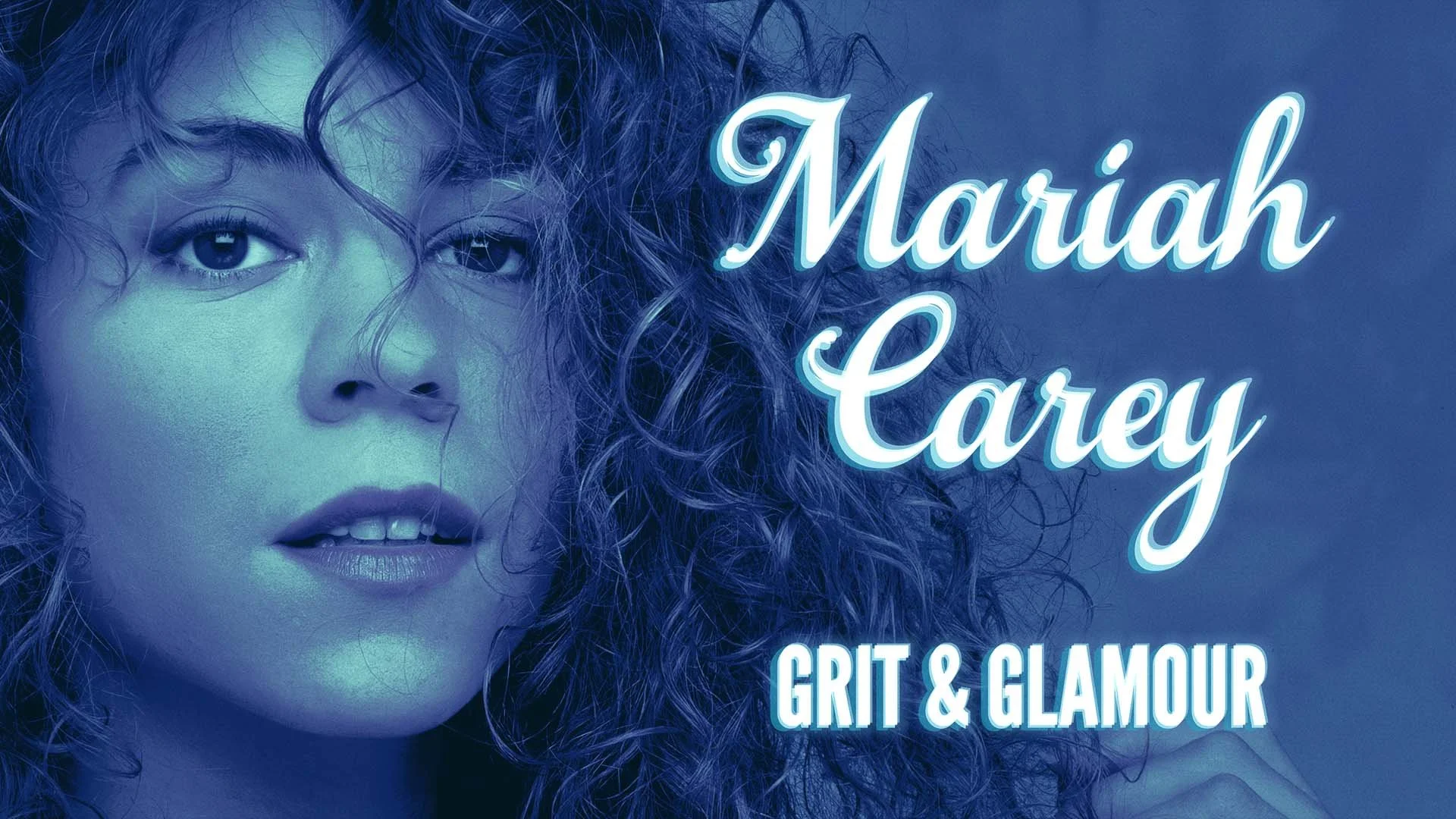
Celine Dion: Resilience as Triumph
Celine Dion’s career has long been synonymous with vocal precision and global balladry. From the international breakthrough of The Colour of My Love to the cultural permanence of “My Heart Will Go On”, she built a reputation on technical mastery and emotional clarity.
Her Las Vegas residencies, beginning in 2003, reshaped the economics of live performance. By anchoring herself in a single venue, Dion demonstrated business foresight, proving that sustained, high-calibre shows could rival global touring in profitability and influence. The model she helped legitimise has since become a strategic benchmark for established artists.
In recent years, however, her public battle with Stiff Person Syndrome has reframed the narrative around her success. By speaking candidly about her condition and stepping back from performance when necessary, Dion shifted the focus from endurance on stage to honesty off it.
For Dion, success has evolved beyond vocal dominance or commercial achievement. It now rests in resilience, maintaining dignity, transparency and connection with audiences, even in the absence of constant visibility.
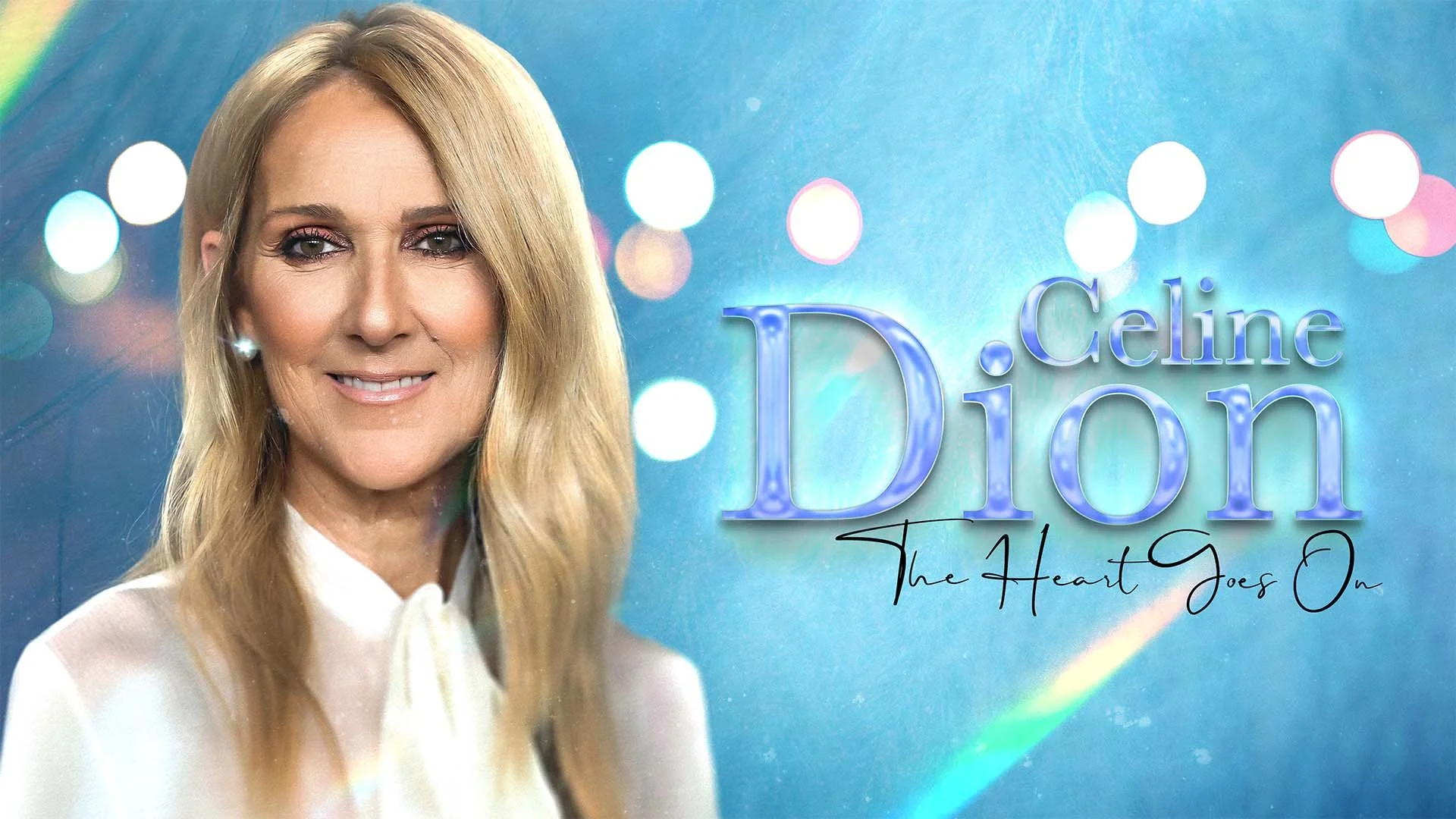
Redefining the Spotlight
Across these five careers, traditional markers of success like sales, awards, global recognition are evident. Yet what distinguishes them is not uniform achievement, but differing definitions of fulfilment.
Reinvention, stability, legacy, branding, and resilience each represent a viable pathway. Fame may offer visibility, but it does not dictate meaning.
In examining these icons, success appears less as a singular destination and more as a personal framework shaped by values, adaptability, and endurance.
For artists and audiences alike, that distinction may be the most enduring achievement of all.
Hear the fuller score behind their journeys. Tune in to Sting: Ever Evolving, Carrie Underwood: Southern Grace, Whitney: Behind the Voice, Celine Dion: The Heart Goes On, and Mariah Carey: Grit and Glamour on Global Trekker.
Discover weekly features across Personality & Art, Science & Technology, Business, Destination & Food, or Nature & Environment
Broaden your mind, open your heart, and inspire your soul with Global Trekker.Follow us: